Kyoto, Asia
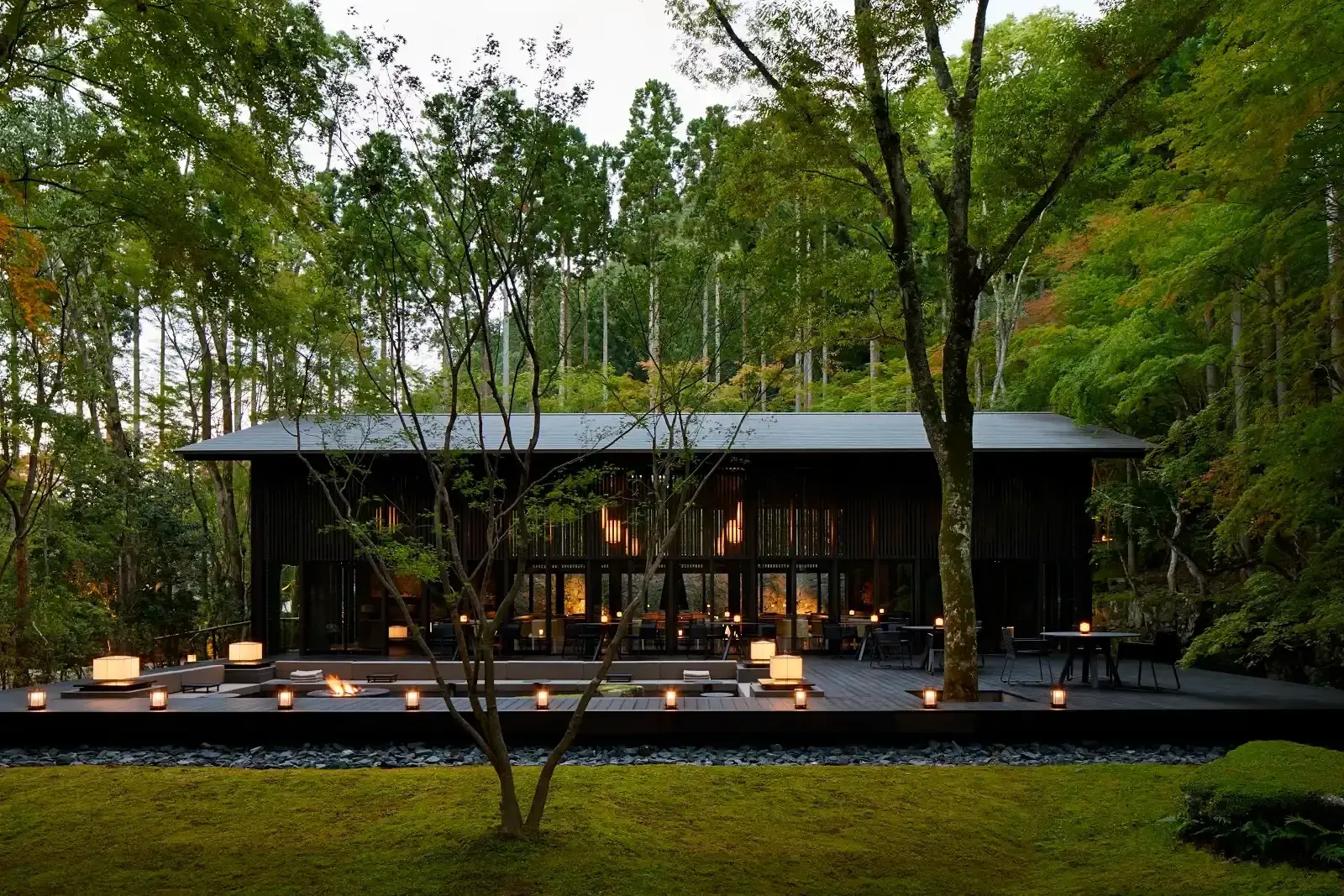
Aman Kyoto
Guests who want Aman quiet in a forested northern-Kyoto pocket near Kinkaku-ji, and who will book a pavilion for the garden and private bath more than for city-temple walking.
Check live rates
Hotel
Tokyo is the luxury-hotel entry. Kyoto is a slower second city and should not be planned as a day trip from Tokyo. 20 verified stays across 8 bases.
Destination Hub · Japan · Last reviewed Sep 2026
Paid partner link - VIAIVE may earn a commission at no additional cost to you.
Kyoto first: the decision most readers arrive with
Kyoto, Asia
Guests who want Aman quiet in a forested northern-Kyoto pocket near Kinkaku-ji, and who will book a pavilion for the garden and private bath more than for city-temple walking.
Kyoto, Asia
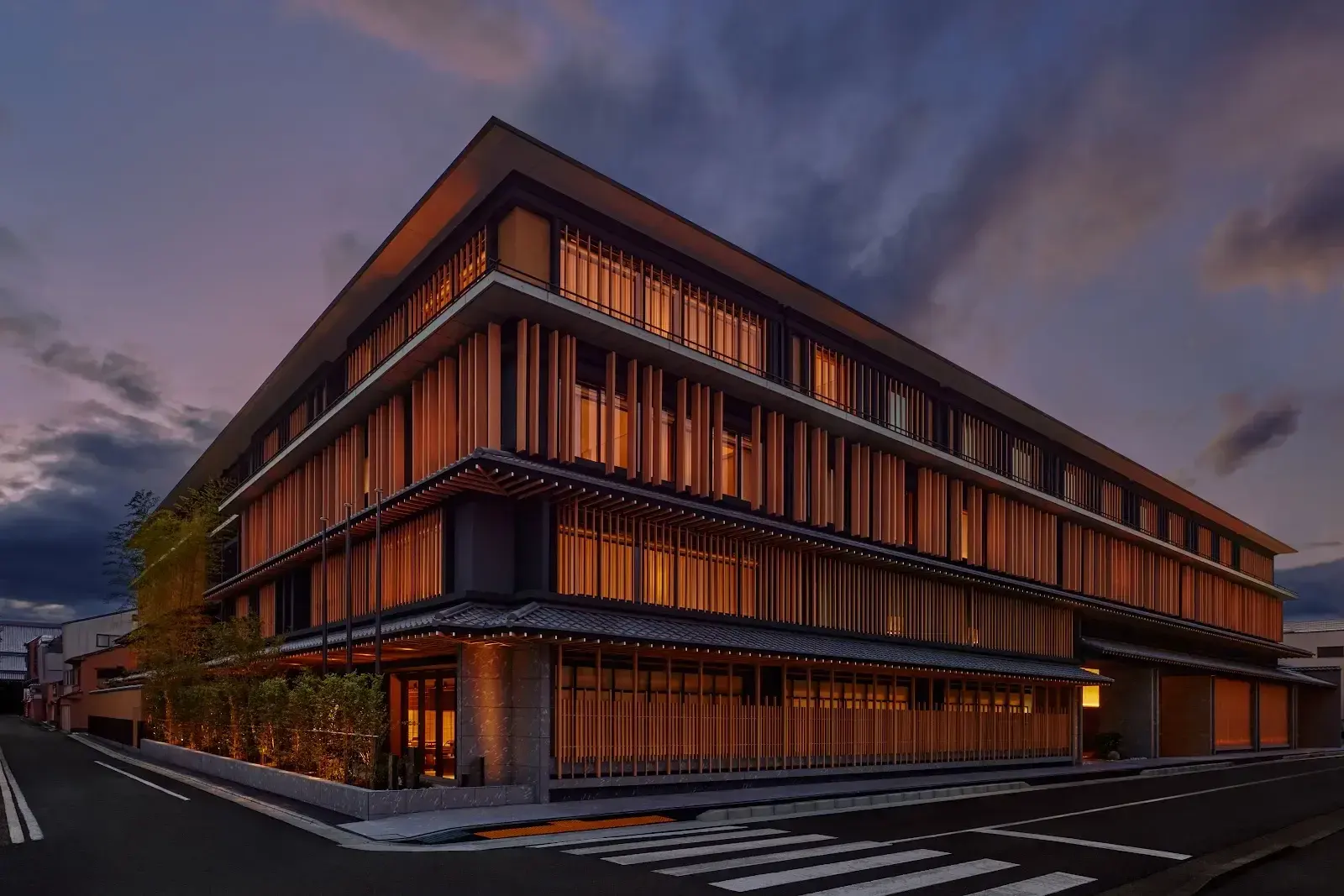
Travelers who want a practical central-Kyoto hotel with a Thai dining identity, and who will move by taxi or subway to temples, not stay inside a garden all day.
Kyoto, Asia
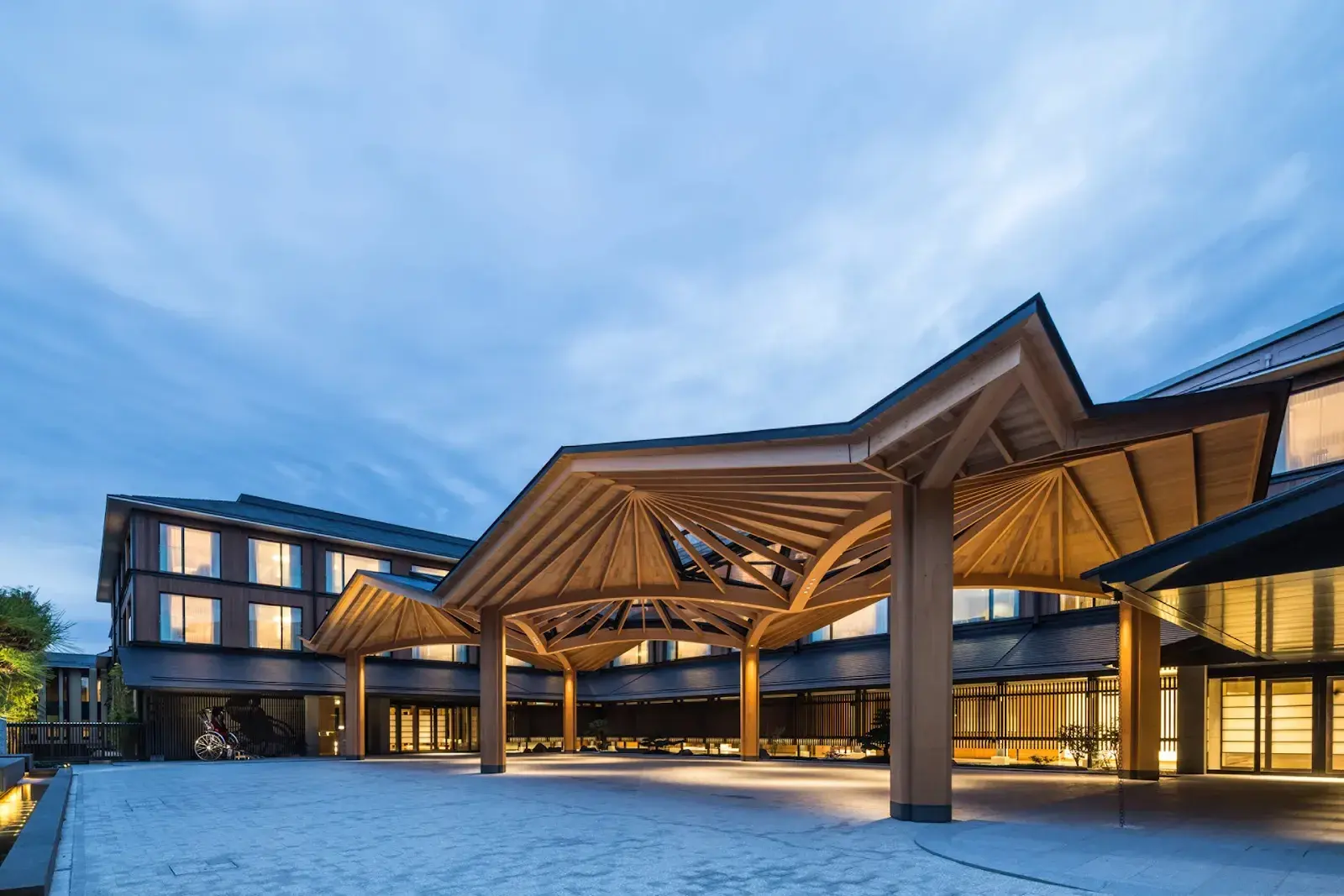
Travelers who want a full-service Kyoto hotel built around a historic pond garden, with grill and sushi in-house and interconnecting rooms for families.
Kyoto, Asia
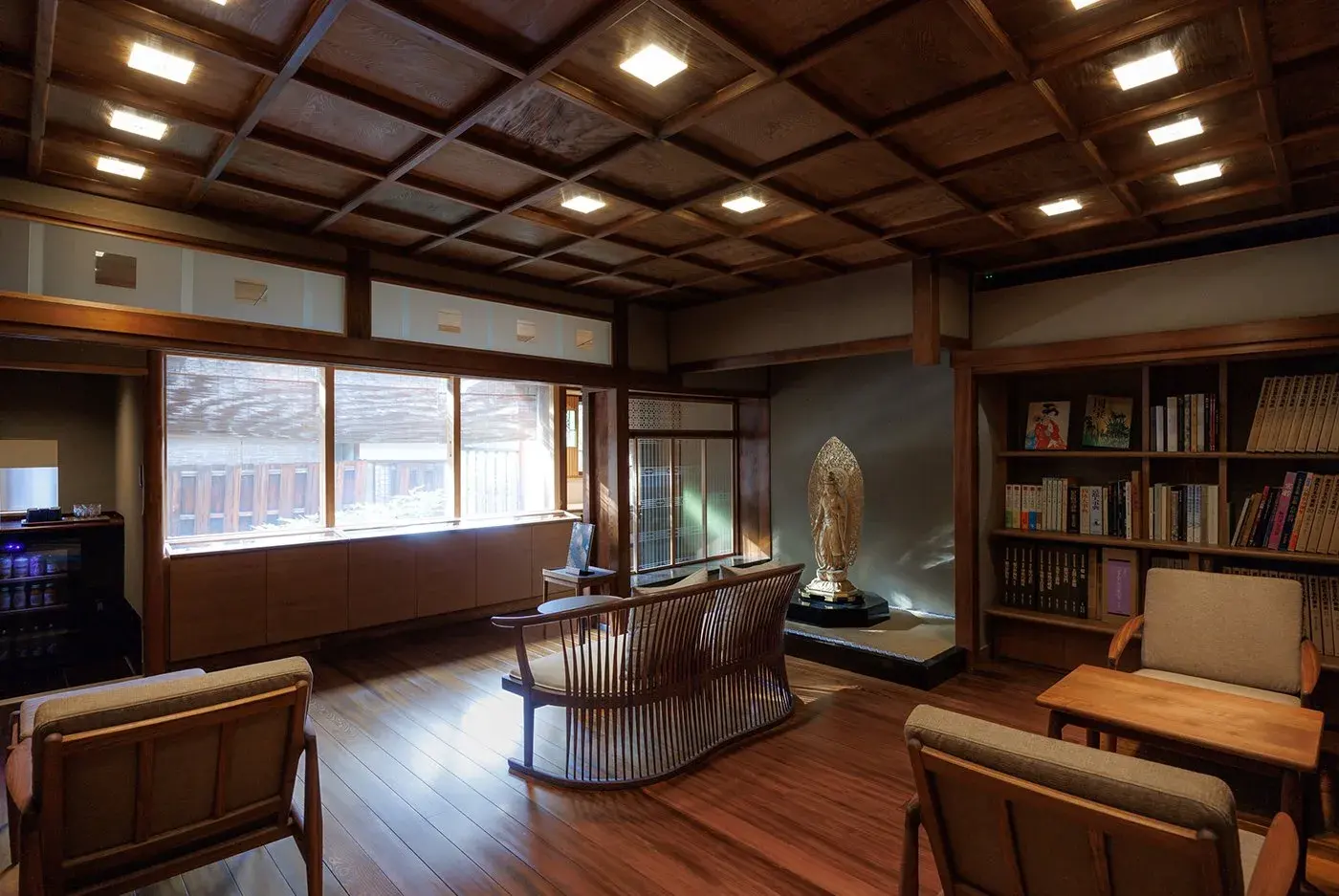
Travelers who want the most historically grounded Kyoto ryokan night, and who will accept a traditional house’s constraints on space, sound, and schedule.
Kyoto, Asia
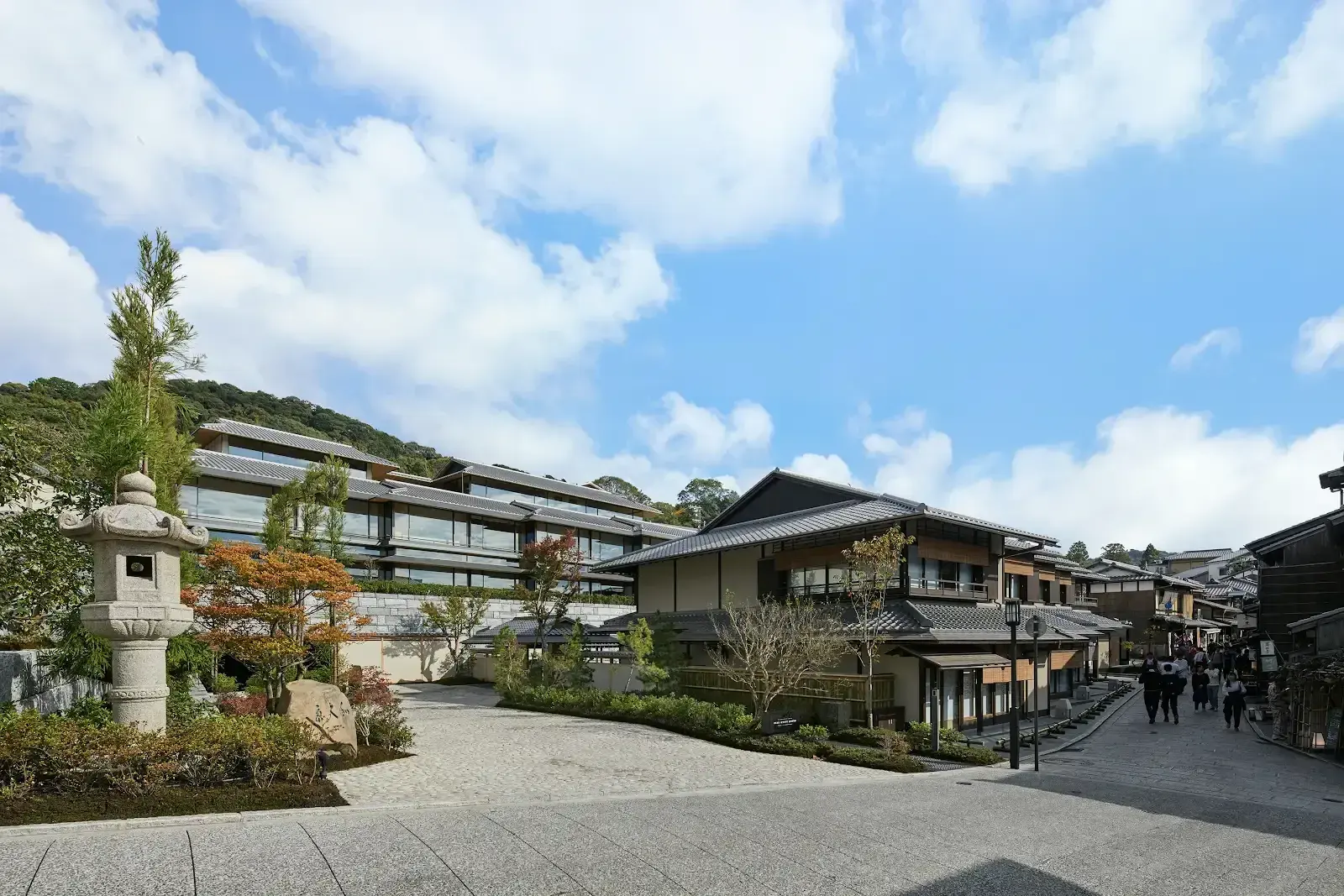
Travelers who want to stay on Kyoto’s eastern temple slope, with Yasaka teppanyaki and a living-room lounge they can use between Kiyomizu and Gion walks.
Kyoto, Asia
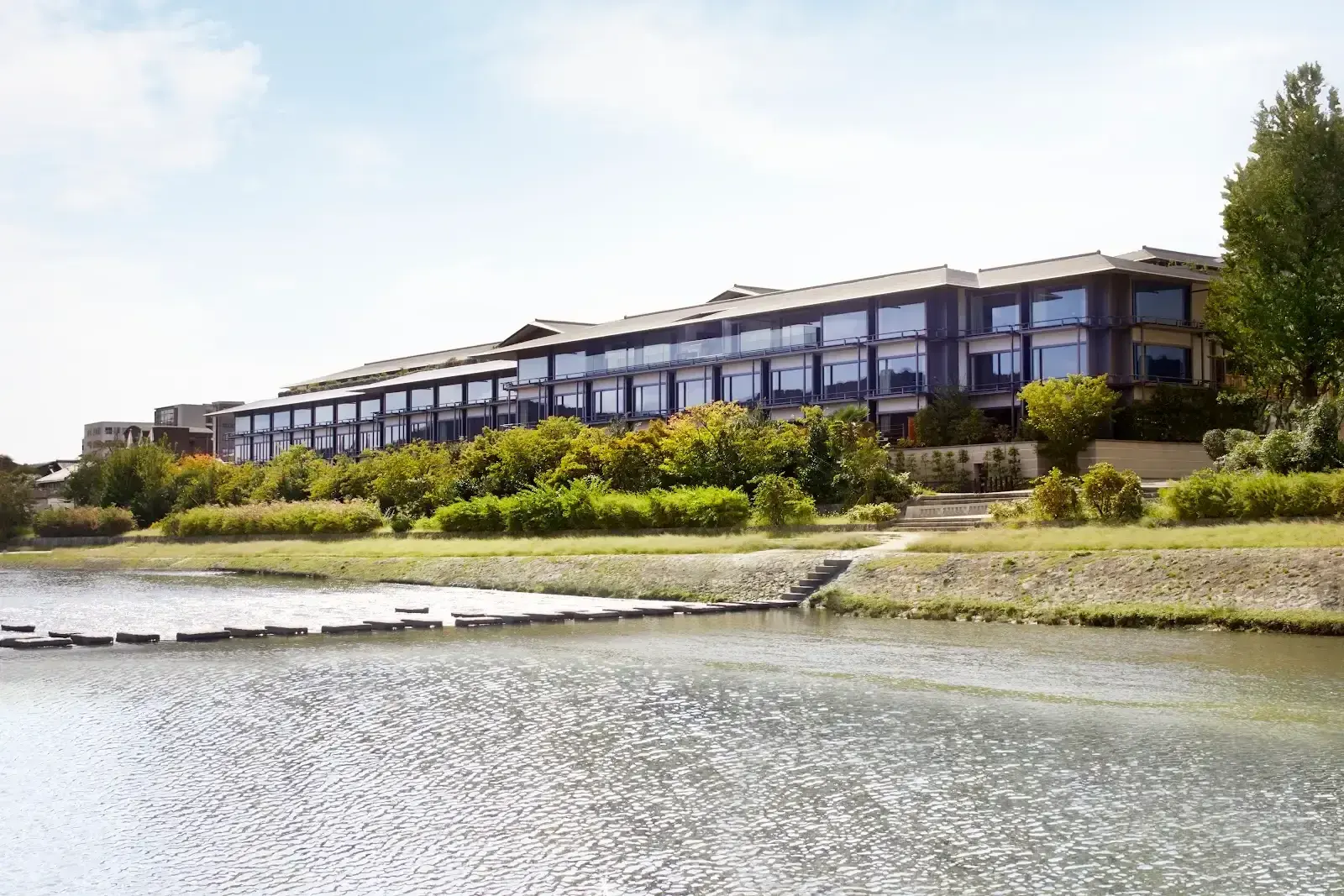
Travelers who want a large Kyoto hotel on the river, with Gion and Kawaramachi on foot and a suite inventory that faces water and hills.
Kyoto, Asia
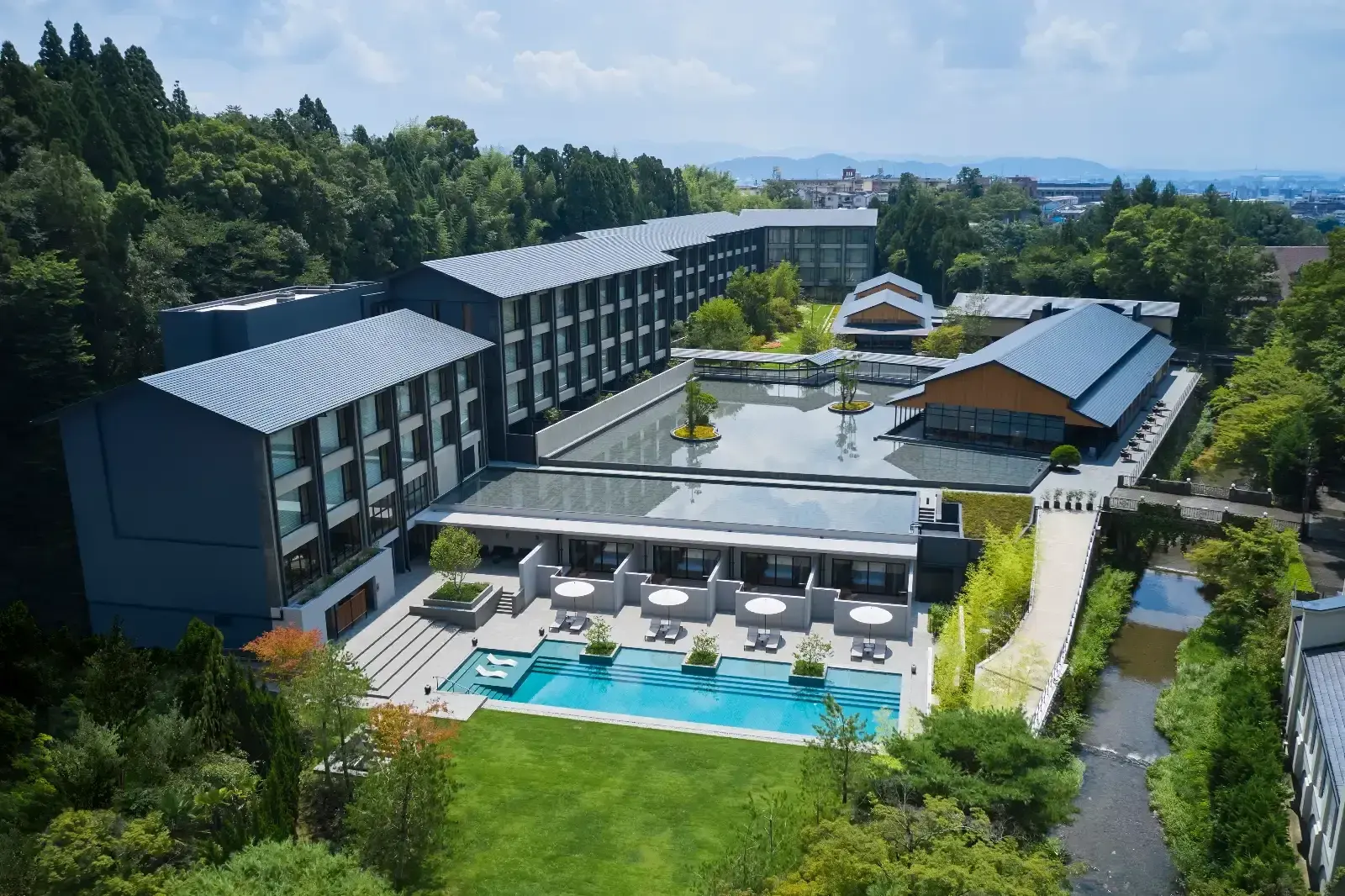
Travelers who want a resort-scale Kyoto stay with onsen garden rooms and mountain backdrop, without sleeping in Higashiyama or Gion.
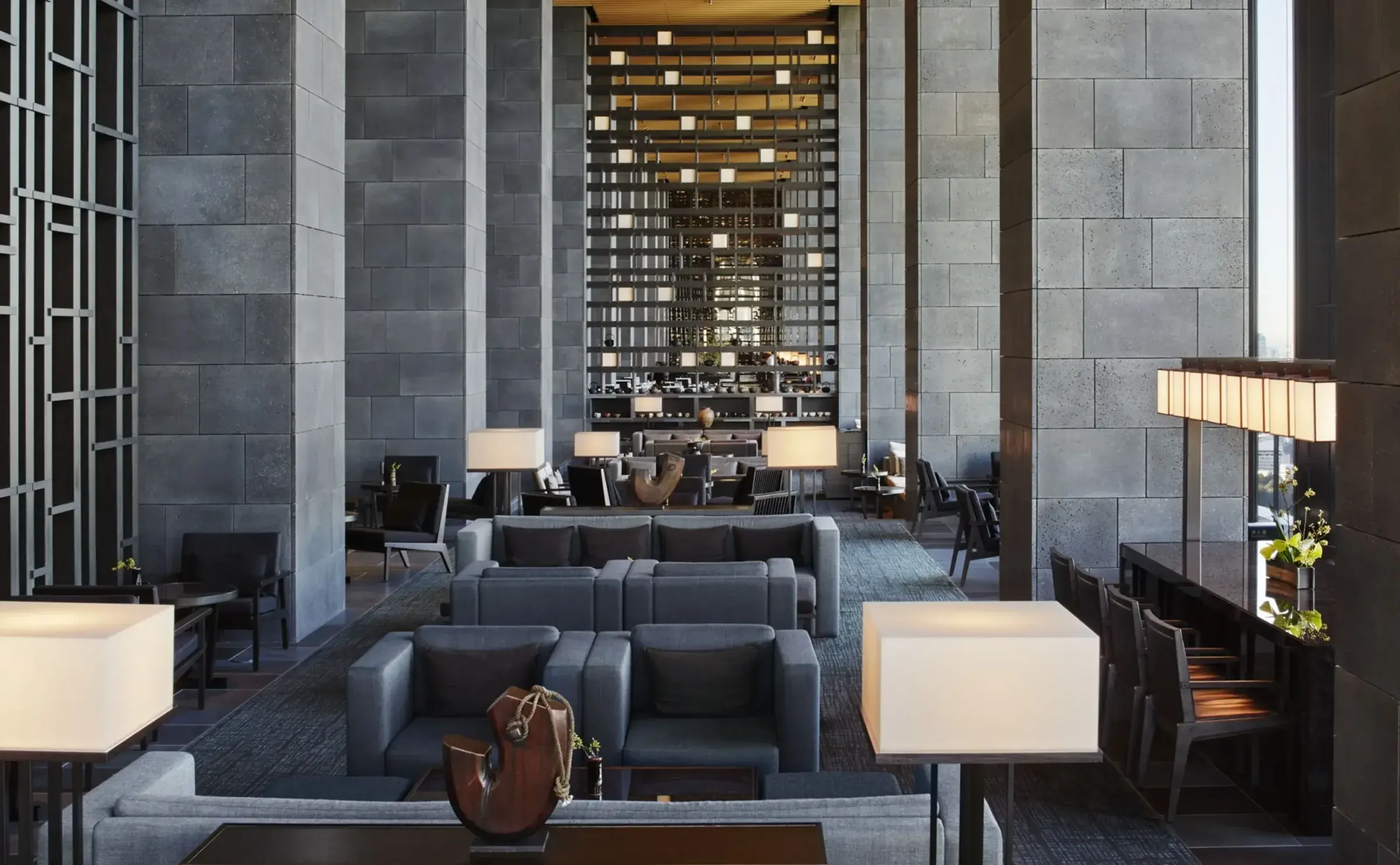
Tokyo, Asia
Travelers who want the city’s stillest luxury rooms, with deep soaking tubs and a paper-screen hush, while keeping Imperial Palace and Marunouchi on a short car ride.
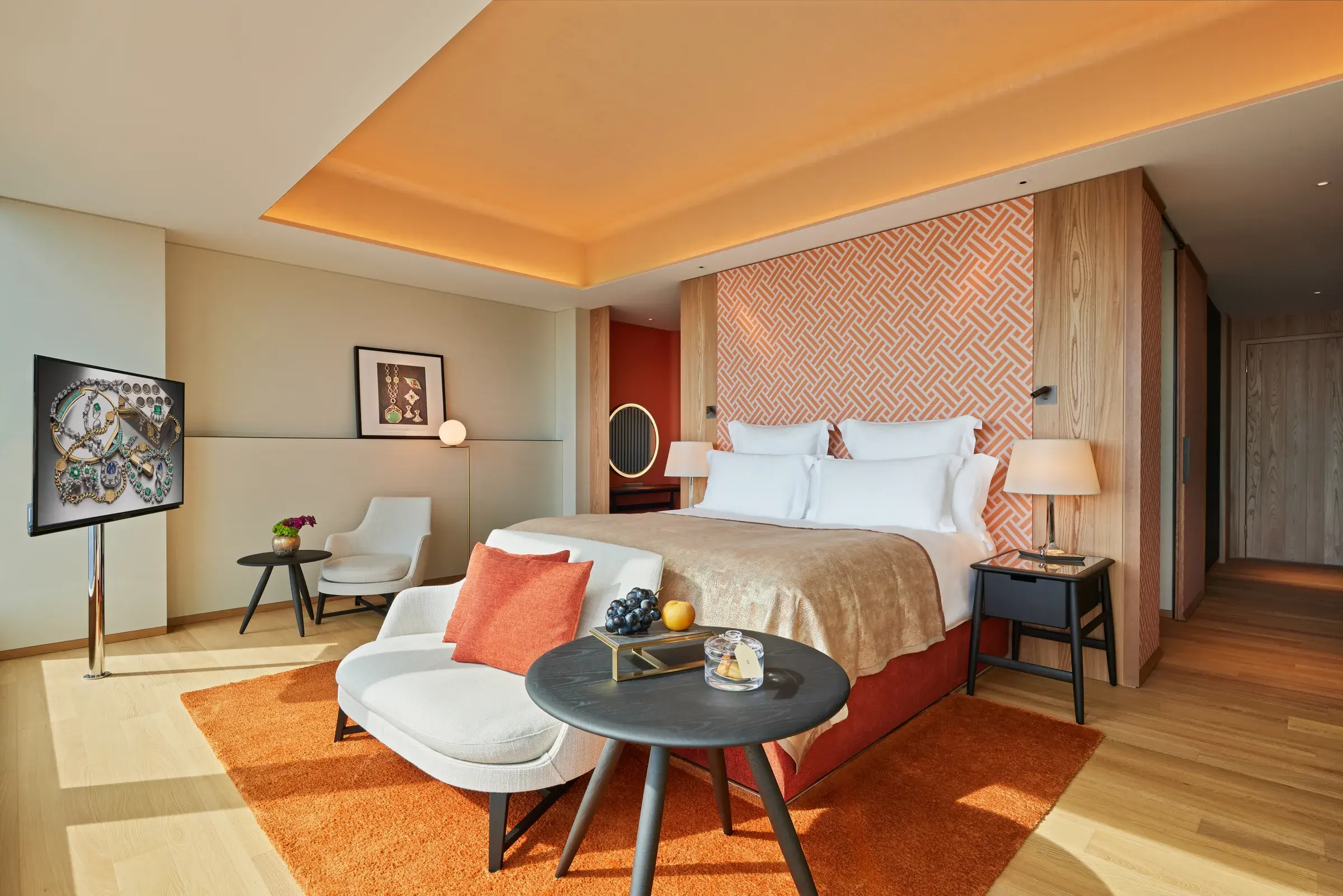
Tokyo, Asia
Travelers who want a new, design-complete Tokyo hotel with Yaesu transfer logic and rooms that read as a vertical palazzo, not a ryokan.
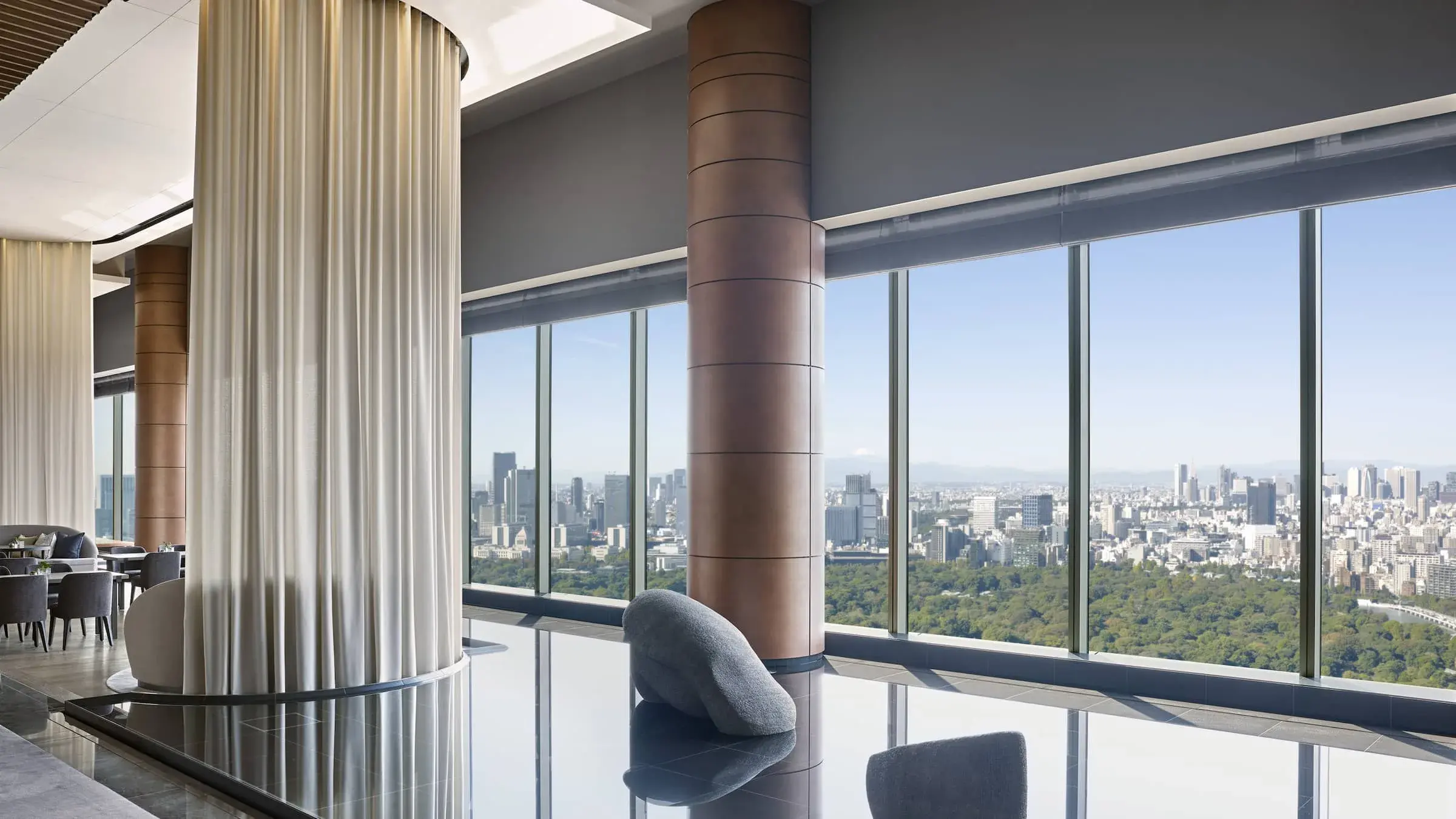
Tokyo, Asia
Choose Four Seasons Hotel Tokyo at Otemachi when Otemachi rail and tower amenities matter. Do not confuse it with Four Seasons Tokyo at Marunouchi.
Hakone, Asia
Travelers who want Hakone’s most serious ryokan night, with onsen and kaiseki as the entire evening, after a Tokyo or Kyoto transfer.
Karuizawa, Asia
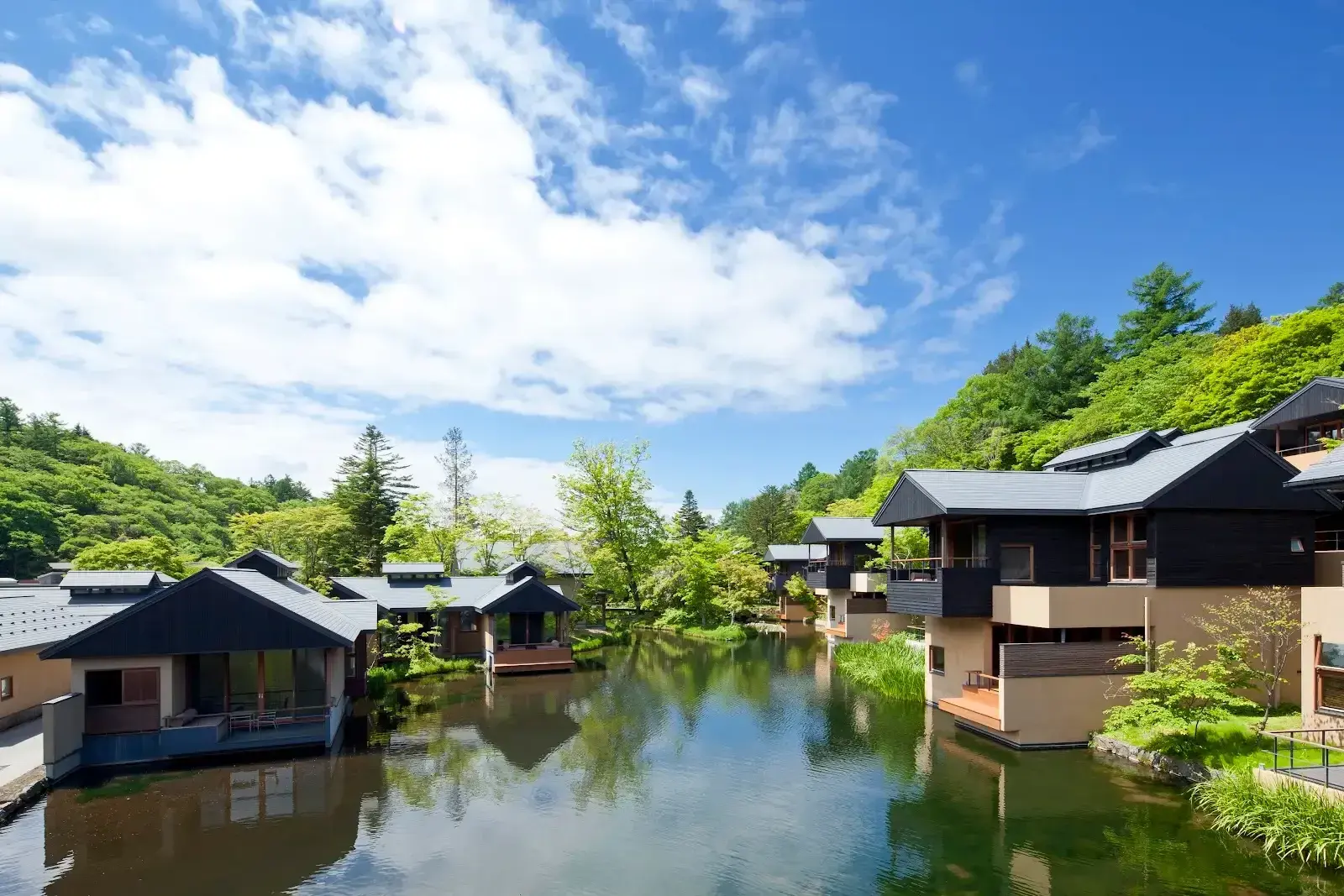
Travelers who want a HOSHINOYA nature stay they can reach on a day train from Tokyo, with river-view rooms and a slower highland pace.
Arashiyama, Asia
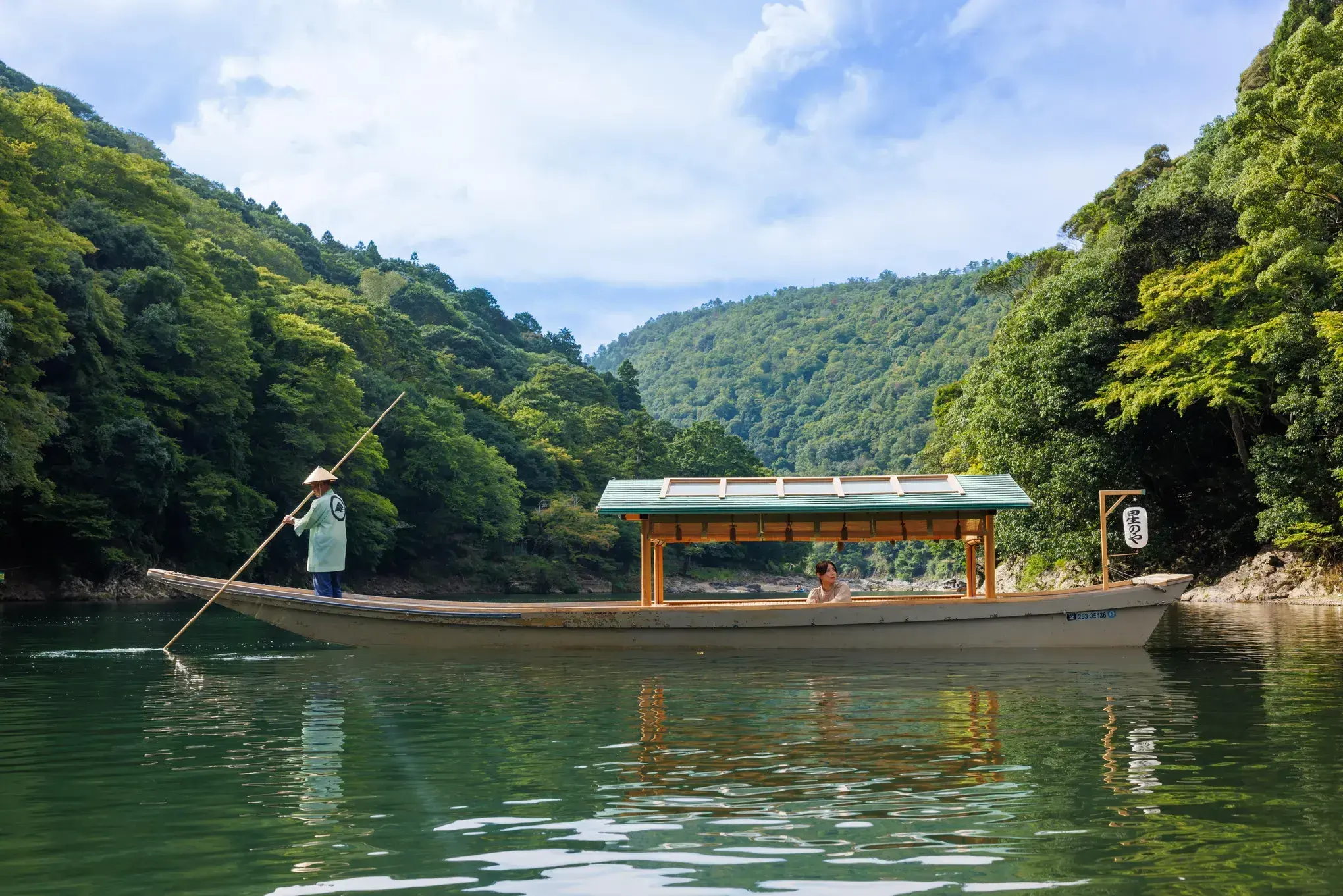
The boat from Togetsukyo Bridge is the stay. Official copy states 25 rooms, all facing the river, with windows that "frame the gorge by the premises and its stunning seasonal colors." Road-access ryokans in Higashiyama solve a central-temple itinerary this address cannot.
Tokyo, Asia
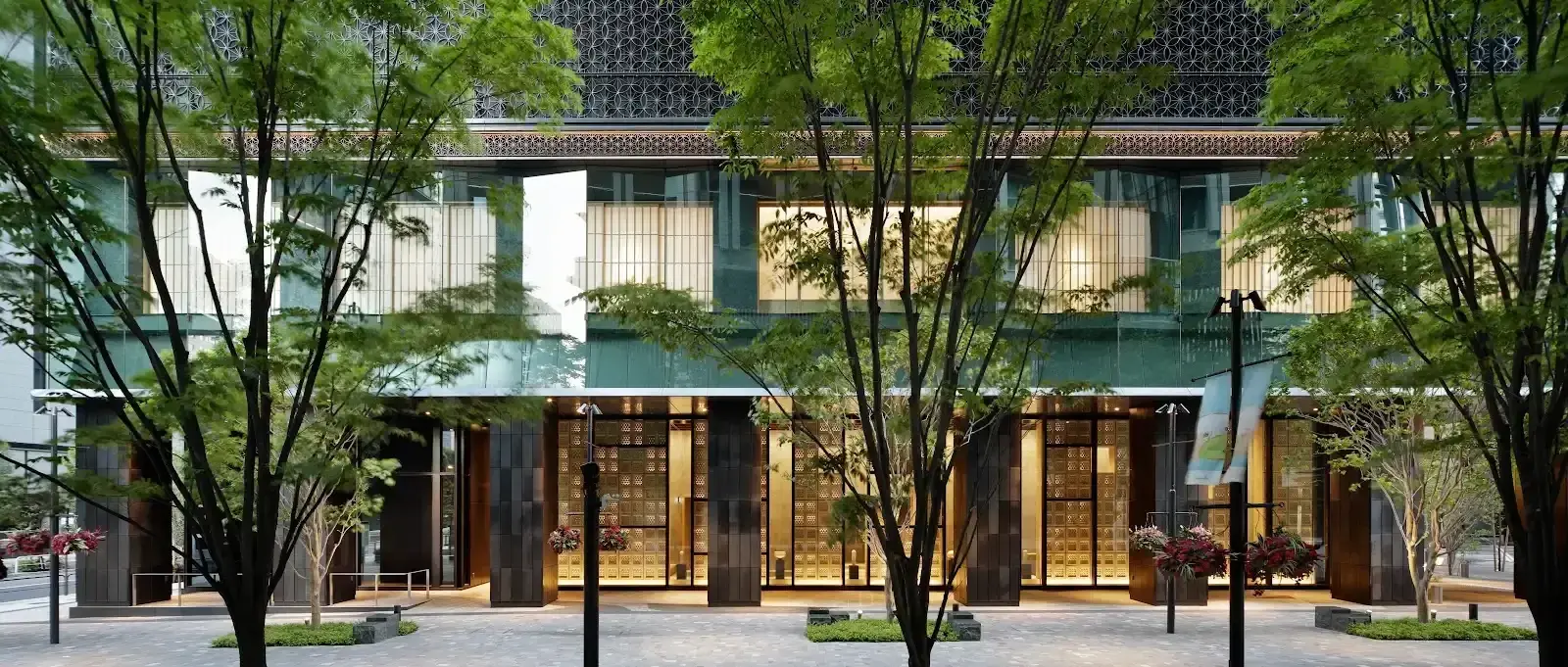
Travelers who want a Tokyo ryokan ritual with onsen and lounge floors, while staying a ten-minute walk from Tokyo Station and the Imperial Palace.
Tokyo, Asia
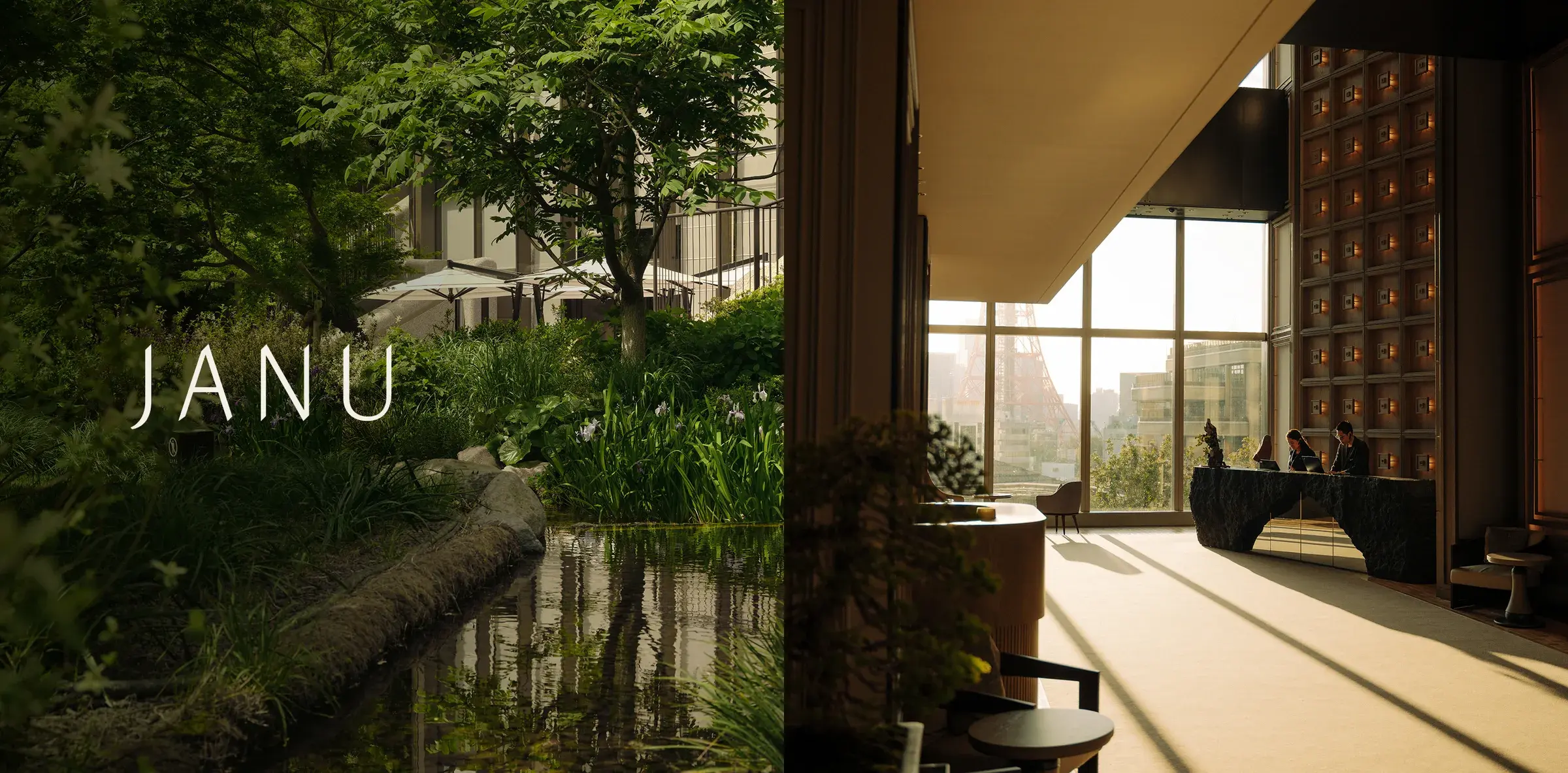
Travelers who want the city’s most serious hotel gym and a social, design-forward stay in a new mixed-use hill town, not a silent Otemachi aerie.

Yamanaka Onsen, Asia
Choose Kayotei for a small-scale ryokan stay built around onsen, kaiseki, and artisan access. The tradeoff is a remote, deliberately quiet village setting rather than a conventional city-hotel base.
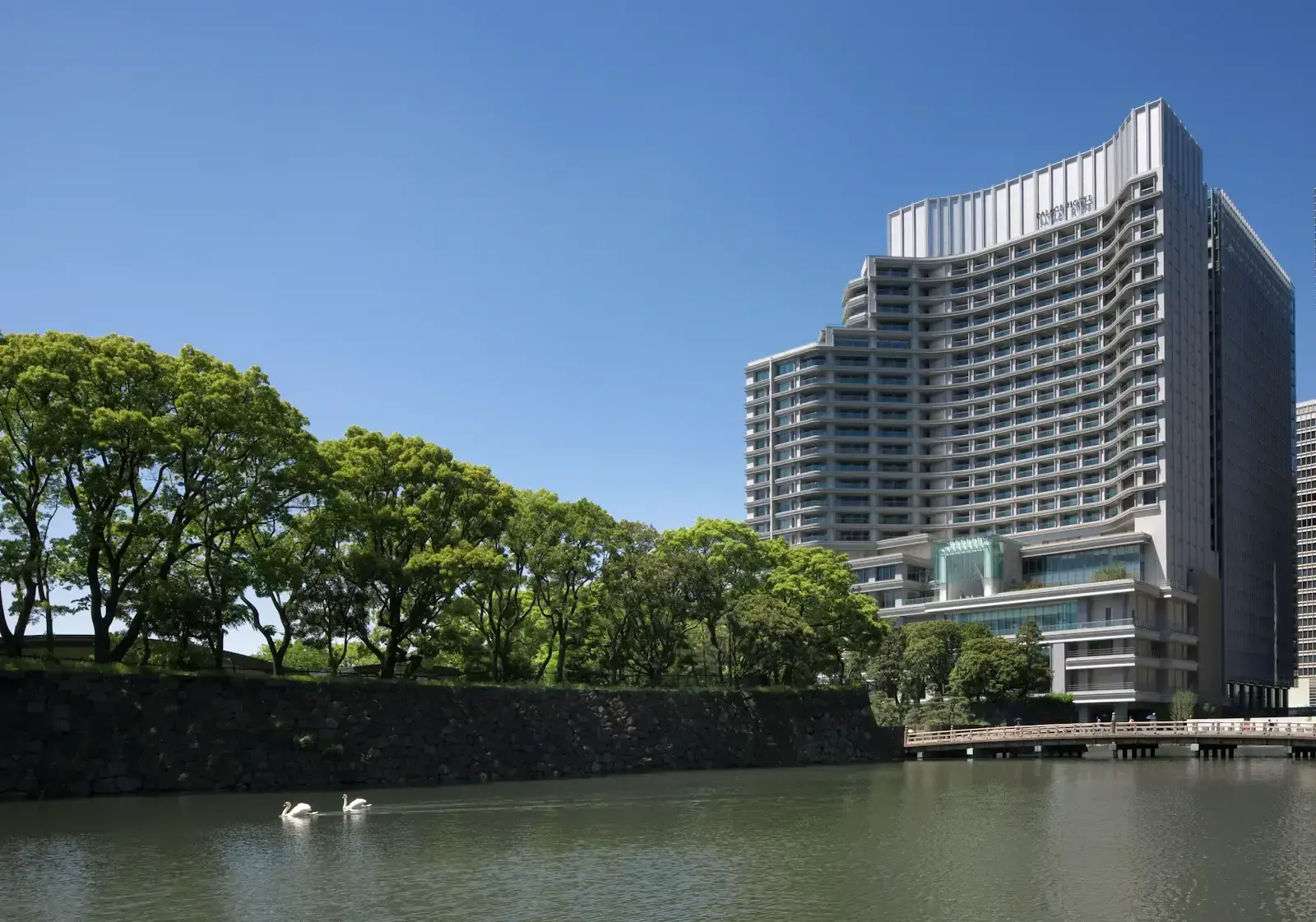
Tokyo, Asia
Travelers who want a moat-side Tokyo address with Japanese management, garden light in the room, and Marunouchi shopping at the door.
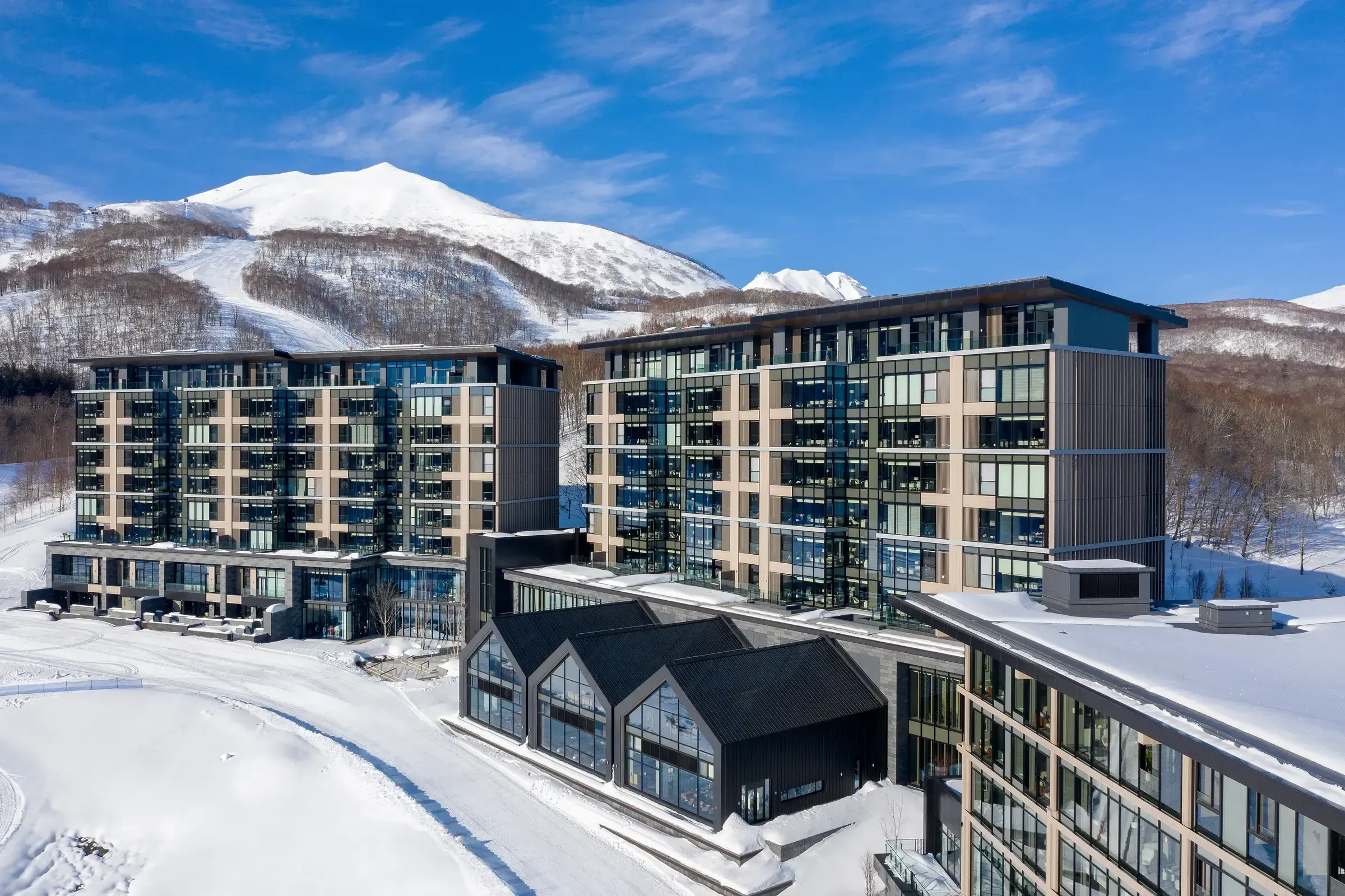
Hanazono, Asia
Park Hyatt Niseko Hanazono sits directly at the base of the Hanazono Symphony gondola with true ski-in/ski-out access and private-onsen suites — the tradeoff is Hanazono's quieter, village-free setting against Grand Hirafu's walkable restaurant-and-bar strip a bus ride away.
Area and location orientation. Best for. Trade-off / base choice. Next action: explore this hotel
Tours, food routes, and timed entry in Japan for the dates you have in mind. Confirm the final terms on the partner site.
Paid partner link - VIAIVE may earn a commission at no additional cost to you.
A live search for things to do in Japan, kept next to the stay shortlist so the day and the room can be decided together.
When the day needs access a public listing cannot hold, ask VIAIVE to arrange it.
Decide
Type a real question. VIAIVE answers from its own verified stay notes and ends with named properties you can check rates for.
Illustrative image · VIAIVE
A focused image set: place, stay, arrival, and the shape of the trip. Illustrative planning visuals, not room verification.
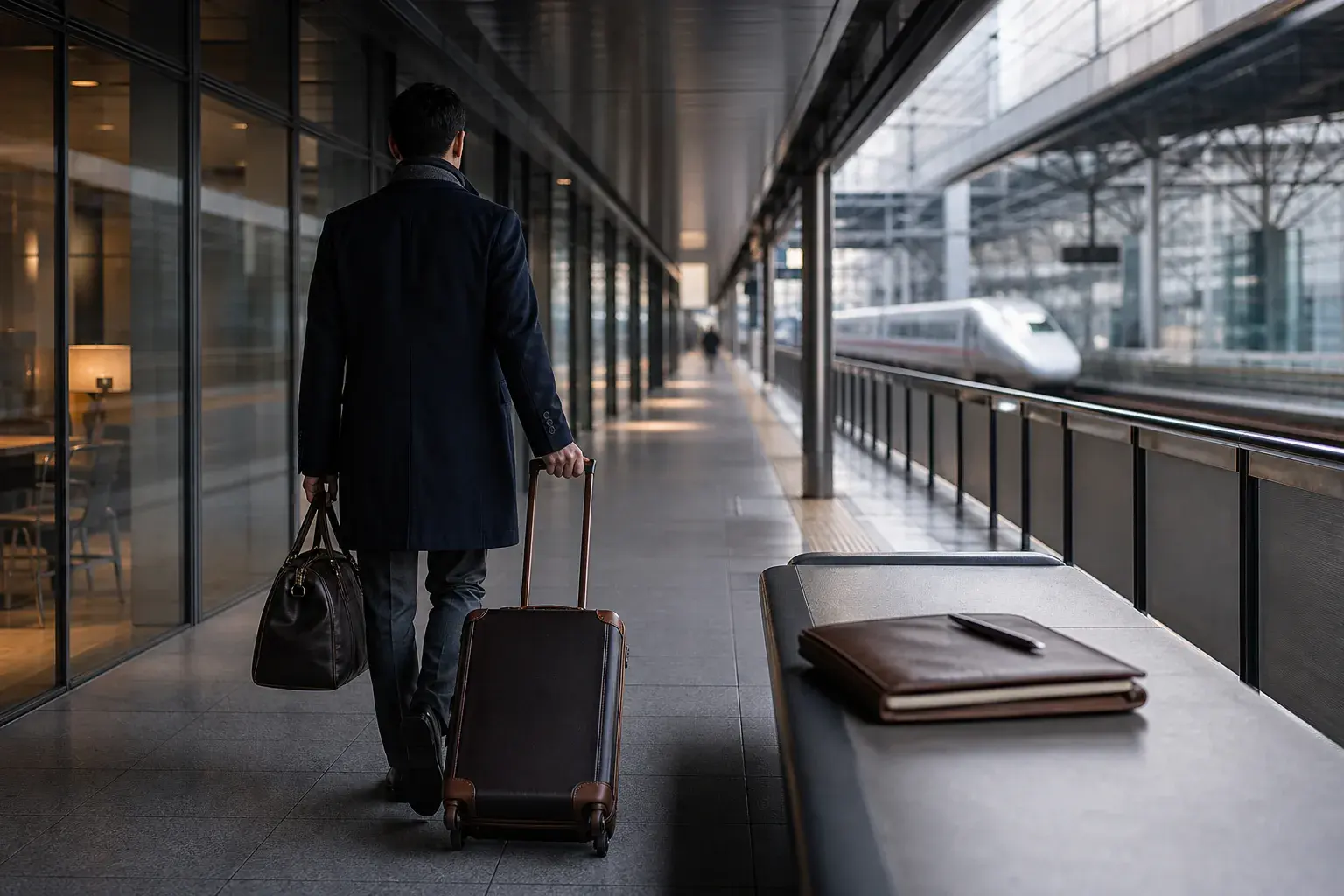
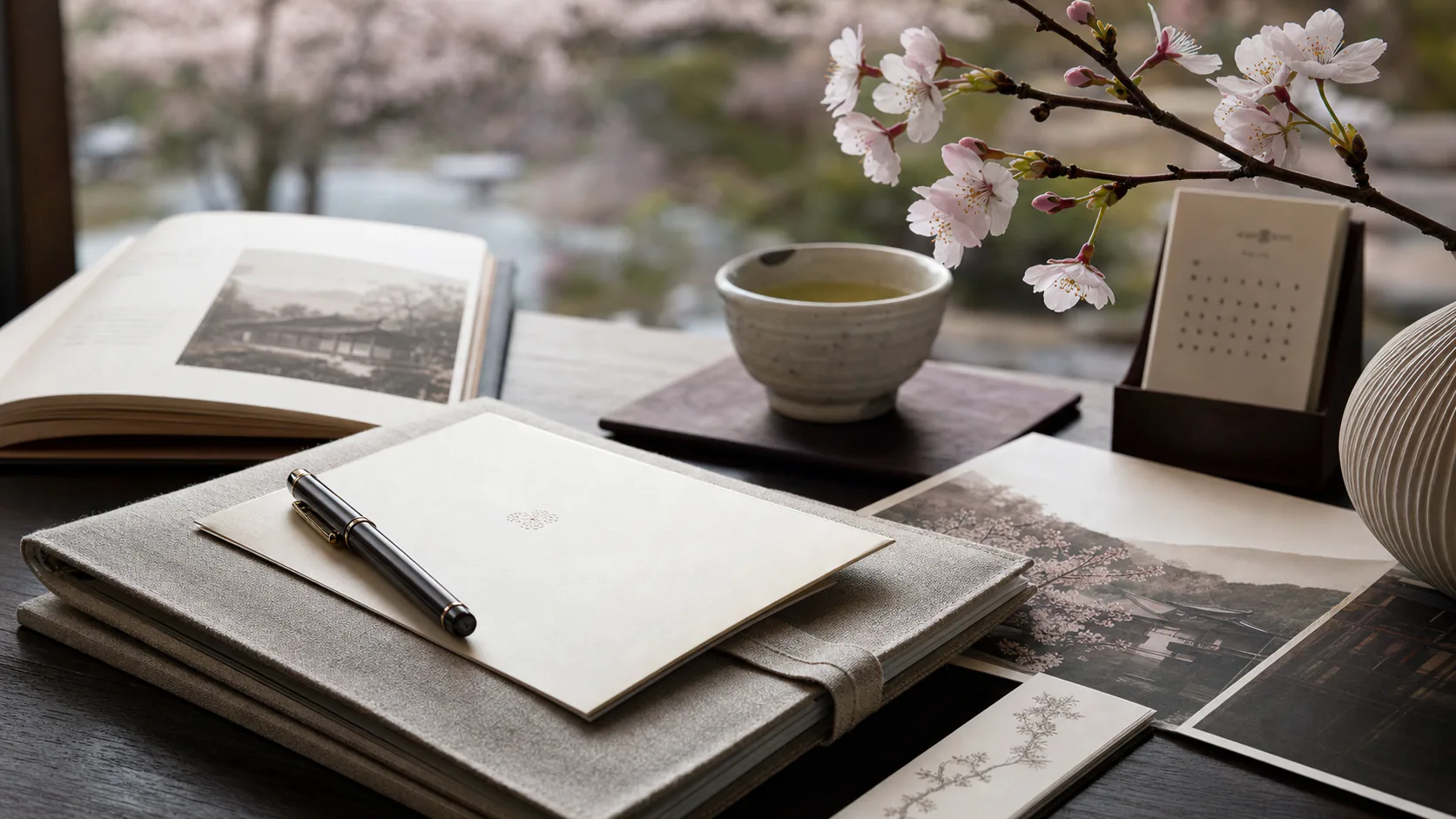

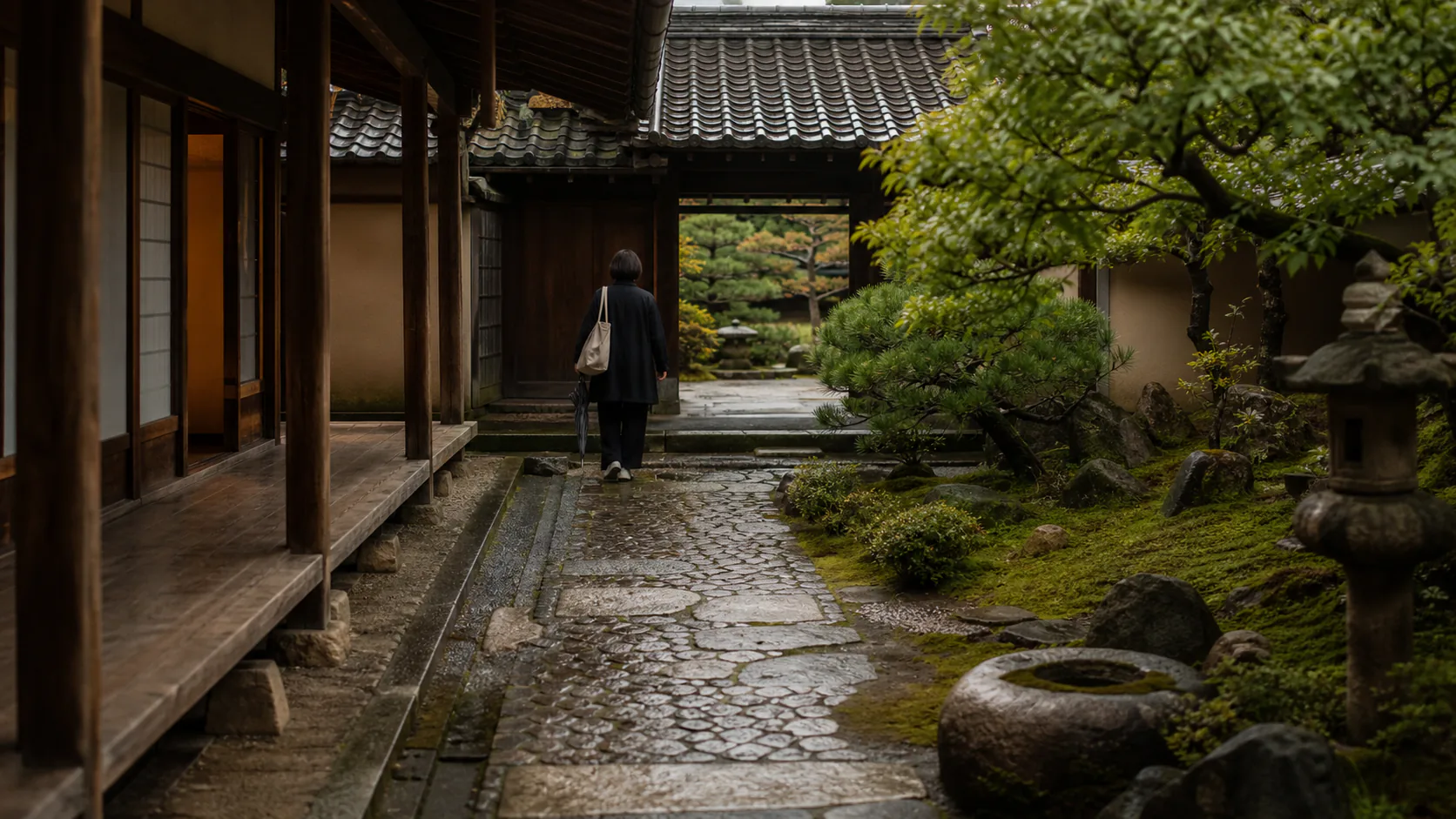
Japan should be planned around the right base, not a generic hotel tier. Aman Tokyo is the starting point, then season, room category, and the first three days of movement.
Use the shortlist as a starting point, then route the stay through a trip request when dates, category, and availability become material.
Use the public comparison path where it is useful, then start a trip request when timing, room category, or route design needs a private read.
98 keys across the top six floors. The most architecturally complete opening of the past two years.
Illustrative visual, not property evidence.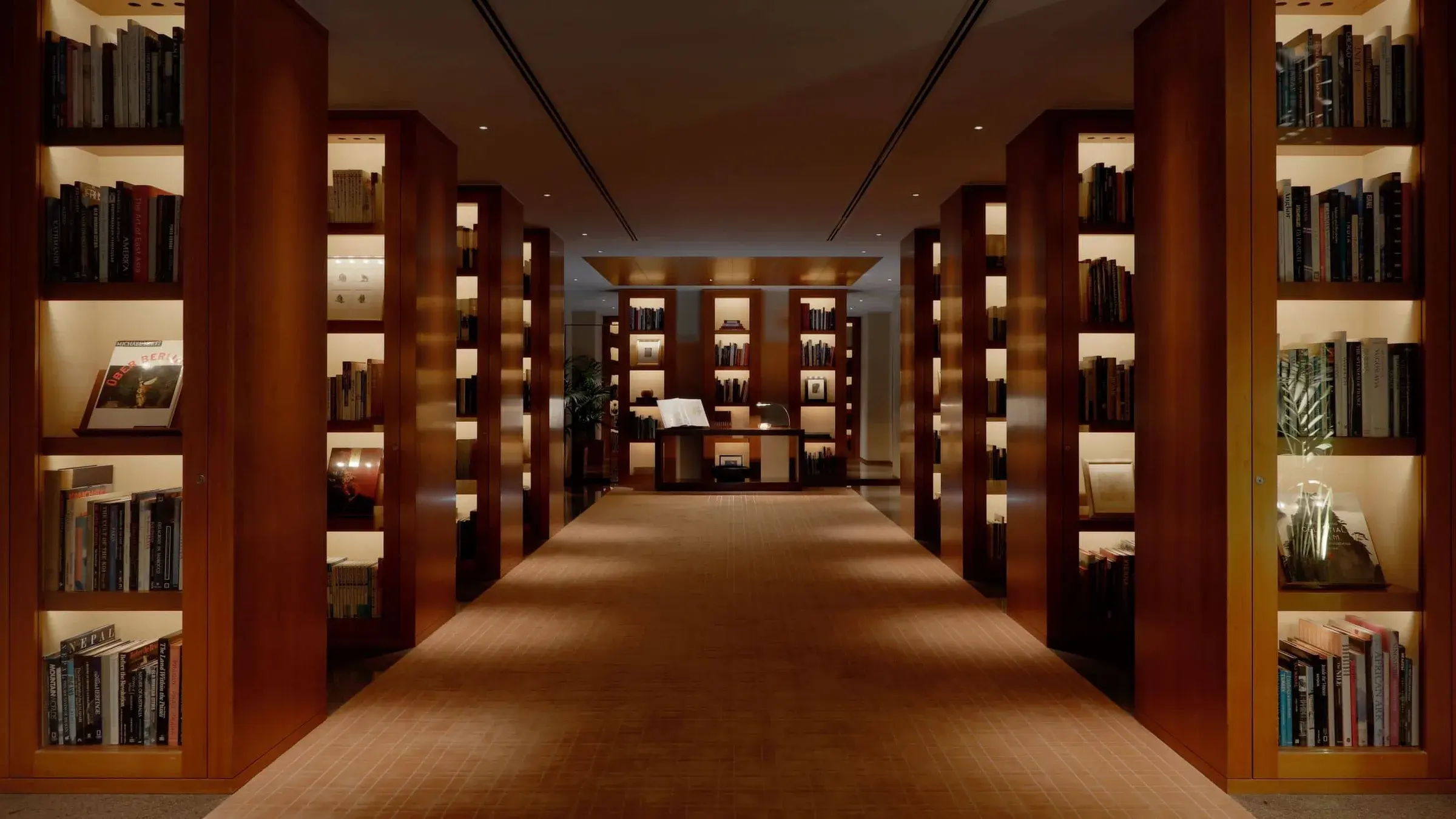
Reopened December 9, 2025 after a 19-month restoration. The New York Bar is back — validate room category and service pacing before positioning it as the default.
Illustrative visual, not property evidence.Former imperial villa turned flagship ryokan. Outdoor onsen, kaiseki, and the quietest address in Hakone.
Illustrative visual, not property evidence.Six routes through one country, below: first-time Tokyo–Hakone–Kyoto, cherry blossom, autumn color, Naoshima art, Niseko powder, and a ryokan-led circuit — each with its own lock-out window.
Tokyo performs at the ultra-luxury level across all categories: hotel depth, Michelin density, private transfer logistics, and service culture that sets expectations for the rest of Asia. Aman Tokyo remains the standard. Bulgari Hotel Tokyo and the reopened Park Hyatt now give the market three genuinely distinct answers at the same tier. Janu Tokyo — opened 2024 inside Azabudai Hills — adds a more social option with the city's best fitness facility.
Kyoto and Hakone serve different ryokan needs. Kyoto is cultural depth — temples, merchant streets, tea ceremony access — and the right ryokan makes or breaks the experience. Hoshinoya Kyoto and Hiiragiya are the two placements VIAIVE returns to most. Hakone is mountain quiet with thermal water. Gora Kadan is the address when outdoor onsen and kaiseki over two evenings are the point of the stop.
Kyoto requires more planning than Tokyo. Cherry blossom and autumn colour both compress the usable window to under two weeks. The ryokan, the temple access order, and the transfer timing all need to be set before the season locks.
Hakone works as a two-night add-on between Tokyo and Kyoto, or as a standalone short break from the city. Clear days in autumn and winter give views of Fuji that justify the overnight even on a tight itinerary.
March to May and October to November are the primary windows. Cherry blossom in late March to early April is the most time-sensitive period in the Asian calendar — properties confirm full in under 48 hours once bloom forecasts stabilise. December to February in the ryokan regions trades city energy for mountain silence and snow.
The canonical first-time Japan route is Tokyo 3, Hakone/ryokan 1, Kyoto 4, Naoshima/Osaka 2, with luggage forwarding between stops so the traveler never carries full luggage on the bullet train. This sequence gives city luxury, one mountain-and-onsen reset, cultural depth, and one art-or-second-city day without overmoving. It is the route VIAIVE recommends by default when a traveler has not been to Japan before and has no strong season constraint.
Landing directly into Tokyo lets travelers adjust to jet lag against a city with 24-hour infrastructure, rather than arriving jet-lagged into Kyoto's quieter, earlier-closing rhythm. Kyoto is stronger as the middle-to-late stop, once the traveler is rested and can appreciate the slower pace.
Book Tokyo and Kyoto hotels 4–6 months out; the Hakone ryokan night 3–4 months out (fewer rooms, faster lock-out); flights and the bullet train reservation window open 1–3 months ahead and rarely constrain this route outside peak season.
Peak bloom is a 7–10 day window in late March to early April that moves year to year with the season. The route compresses to protect the bloom days: fewer cities, more time held in reserve around Kyoto and Tokyo so the itinerary can shift with the forecast rather than losing the window to a fixed multi-city plan. Hotels in bloom-adjacent neighborhoods (Kyoto's Higashiyama, Tokyo's Chidorigafuchi-adjacent properties) lock out first.
8+ months for the hotels that matter. Properties confirm full inside 48 hours once regional bloom forecasts stabilize in February, and the best rooms are gone well before that.
Autumn color runs mid-November into early December and is the more reliable of Japan's two color seasons — the window is wider than cherry blossom and less prone to a sudden compression. The strongest autumn route pairs Kyoto's temple gardens with a Hakone or Nikko mountain stop, since foliage timing at higher elevation runs 2–3 weeks ahead of the cities.
5–7 months. Less time-pressured than cherry blossom, but the same marquee ryokan and temple-adjacent hotels still lock out early for peak-week dates.
The art-and-design route swaps a second mainland city for the Seto Inland Sea islands — Naoshima, Teshima, and Inujima — anchored by the Benesse House and Chichu Art Museum circuit. This route suits travelers who have already done a first Japan trip and want depth over breadth: fewer stops, more time inside each museum and island, and a genuinely different Japan than the Tokyo-Kyoto default.
3–5 months. Benesse House rooms are limited and the ferry schedule needs to be built around opening hours, not the reverse.
Niseko anchors the ski route on Hokkaido, with the powder season running late December through February. This is a standalone route more often than a Honshu add-on — the flight and transfer time from Tokyo makes a short bolt-on inefficient. Pair it with 2–3 nights in Tokyo or Sapporo on either end rather than treating it as a day-trip extension of a mainland itinerary.
6–9 months for the peak late-December-through-January powder window, when both ski-in chalets and the strongest guiding availability lock out earliest.
The ryokan-led route inverts the first-time template: Kyoto becomes the anchor with 4–5 nights across one or two ryokan, and Tokyo shrinks to a 1–2 night arrival or departure buffer. This suits repeat travelers and travelers whose primary interest is cultural depth — tea ceremony access, temple sequencing, and kaiseki dining — over city luxury.
5–8 months for the named ryokan (Hoshinoya Kyoto, Hiiragiya) during shoulder season; 8+ months if any of the nights fall inside a cherry blossom or autumn peak window.
The most common Japan itinerary mistake is overmoving: adding a fourth or fifth city to a 7–10 night trip, which turns every stop into a one-night stand and erases the pacing benefit of the ryokan or art-route stops. The second mistake is booking Kyoto first and Tokyo last, which front-loads jet lag onto the slower, earlier-closing city. The third is treating Hakone as a full stop rather than a 1–2 night bridge — most travelers do not need more than one ryokan night there. The fourth is booking cherry blossom or peak-autumn dates on a first-time-route lead time; those seasons need the 8-month-plus lead time above, not the standard 4–6 months.
First-time 10-night route: 4–6 months. Cherry blossom route: 8+ months. Autumn route: 5–7 months. Naoshima art route: 3–5 months. Niseko ski route: 6–9 months for peak powder weeks. Ryokan-led Kyoto route: 5–8 months shoulder season, 8+ months if overlapping a color-season peak.
Mar to May · Oct to Nov · Dec to Feb for snow ryokan
4–8 months · Aman, Bulgari, rural ryokan · 10+ months cherry blossom
Scheduled for 2030 in the Roppongi and Nishi-Azabu redevelopment. Do not position as near-term inventory.
Scheduled for 2030 in the Roppongi and Nishi-Azabu redevelopment. Do not position as near-term inventory.
WatchPeak window runs 7–10 days. Hotels lock out at 10+ months. VIAIVE tracks bloom forecasts from October.
WatchSpring and autumn windows compress fastest. Q2 and Q4 require early commitment.
WatchEight months is the honest planning window for the rooms that matter.
Tokyo, Hakone, and Kyoto can work when the transitions are designed first.
The quiet base, the wellness base, and when each one wins for the Tokyo leg of any Japan route.
Share your dates and priorities. We will recommend the right pace, stays, and next steps.
Plan With VIAIVE ↗