Advisor-grade room-strategy guide: why the cheapest category often ruins the stay, which upgrades matter, and when the premium is worth paying.
The cheapest room at the right hotel is often the wrong placement when the defining view, terrace, floor, or layout is what makes the hotel worth booking.
The headline rate illusion: what it actually buys
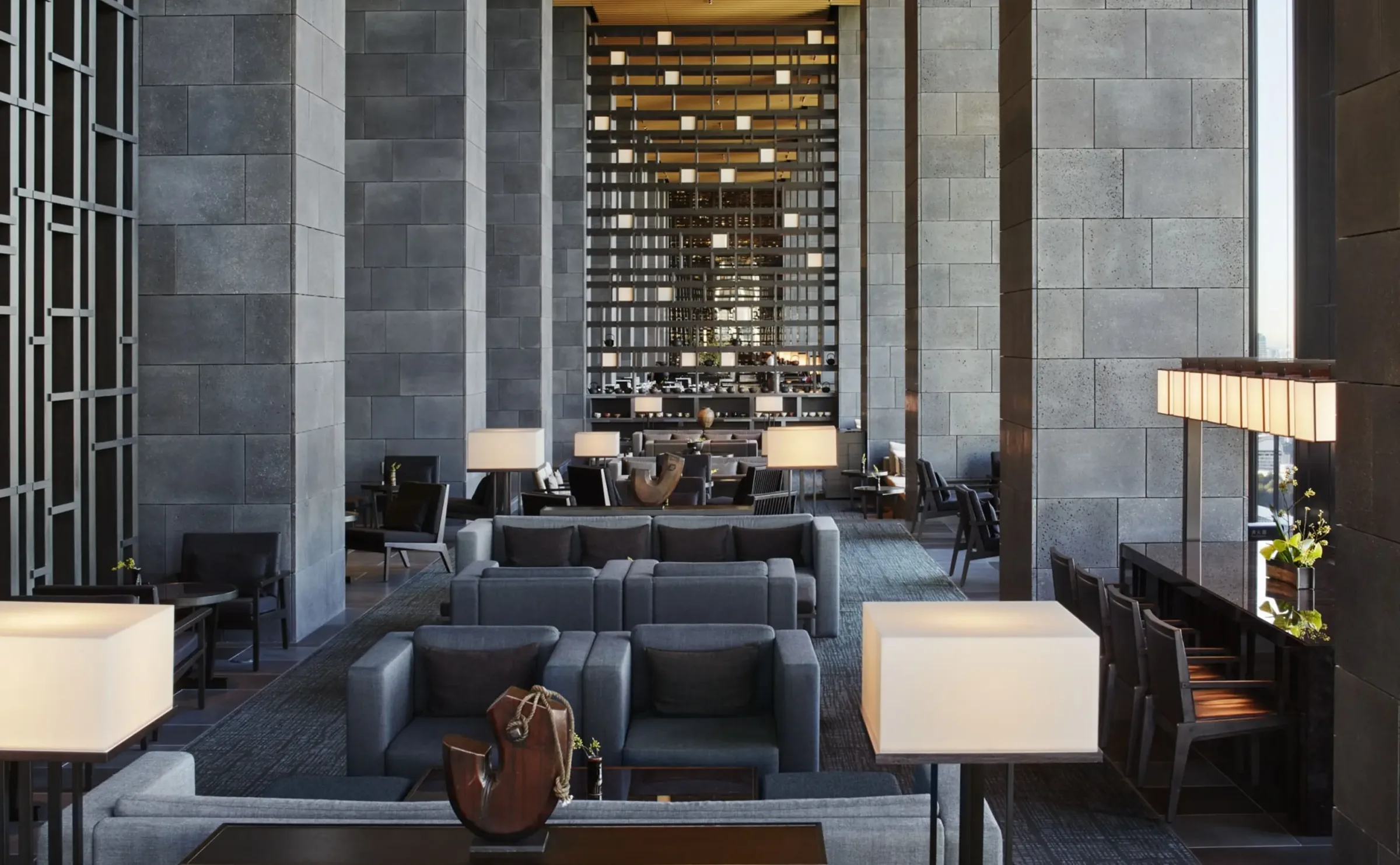
The lowest published rate at a flagship property is a number designed to make the booking feel accessible. At Aman Tokyo, the entry Classic Room starts at approximately USD 1,400 per night, a significant sum that nonetheless delivers a room on a lower floor with a partial city view rather than the Imperial Palace gardens view that defines the property's identity. At Four Seasons George V in Paris, the base rate of around EUR 1,800 per night corresponds to a courtyard-facing category that shares none of the street-facing architectural drama for which the hotel is famous. At properties in this tier, the gap between the entry category and the category that delivers the experience the property is actually known for is typically 20–35% of the base rate. On a USD 1,400 base, that is USD 280–490 per night. Against a stay whose total cost including flights, transfers, and dining runs USD 20,000–40,000, spending the additional USD 1,400–2,500 over five nights for the correct room is simply proportion.
How to identify the sweet-spot room category at any property
Every flagship hotel has a room category that represents the optimal value-per-dollar inflection point: the step at which the upgrade delivers a qualitative change in stay experience rather than an incremental refinement. This is never the entry category and rarely the top suite. At Aman Tokyo, the sweet spot is the City Suite at floors 34–38: the Otemachi skyline and the Imperial Palace gardens below are the definitive Aman Tokyo experience, and the rate premium over the Classic Room is approximately USD 500 per night. The Imperial Suite at USD 5,000+ per night delivers a private tearoom and 247 square metres; the step from City Suite to Imperial Suite amplifies the experience without transforming it. At Bulgari Tokyo, the Tower Suite floors deliver Mount Fuji views on clear mornings that the Deluxe Room on the same floor cannot access due to the building's orientation. Identifying these inflection points, the categories where an upgrade genuinely changes the nature of the stay, is the foundation of pre-trip advisory work.
Photographs for this guide.
The specific categories worth the premium at Asia's top properties
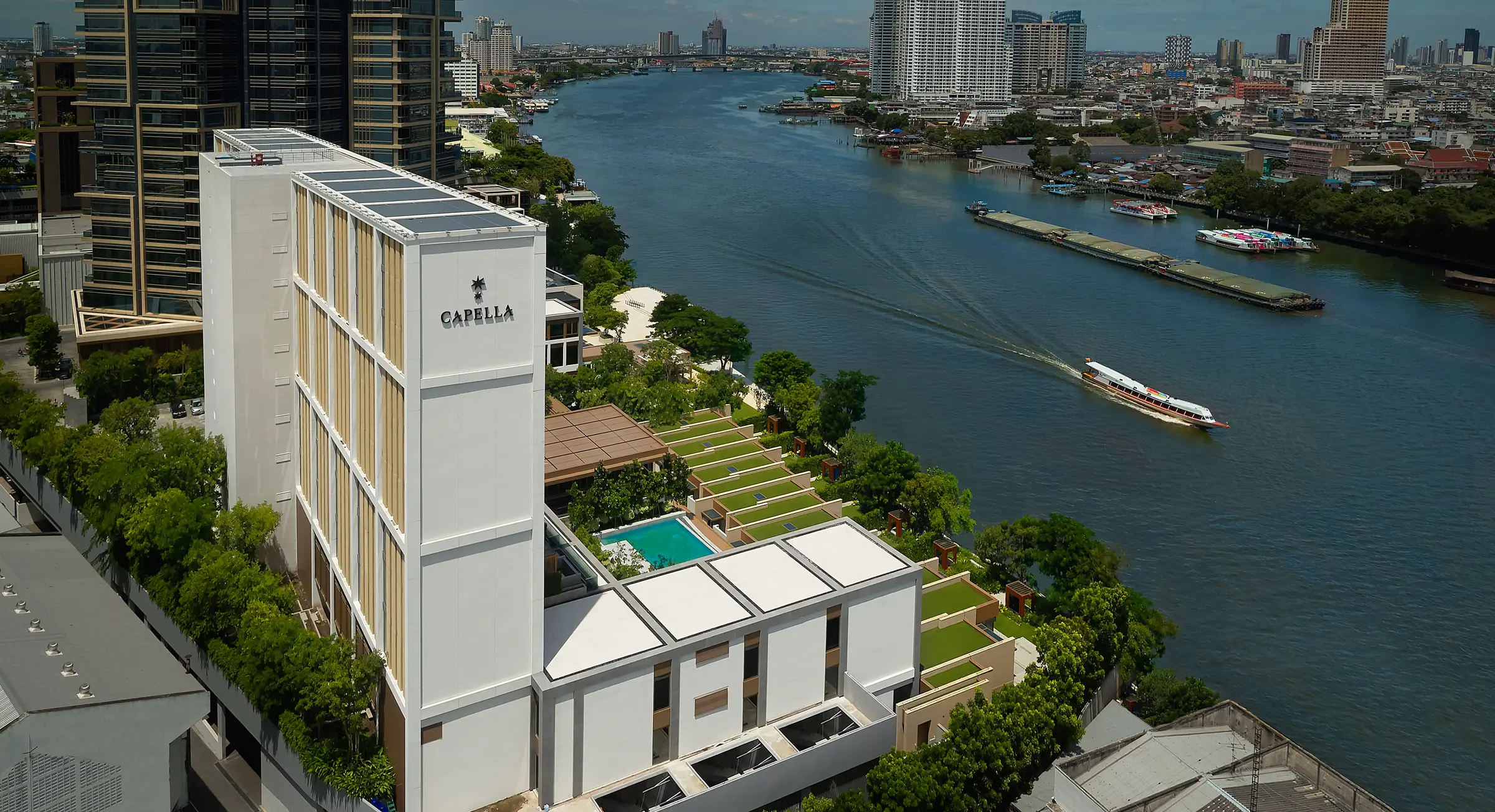
Five specific category upgrades that change the entire character of the stay, beyond just the room itself. Aman Tokyo: the City Suite (floors 34–38, Otemachi and Palace view) over the Classic Room. The view differential is the entire argument for the property. Capella Bangkok: the Chao Phraya River Suite facing west. The evening light on the river from this category is what the hotel's photography is built around, and the west-facing orientation is essential rather than incidental. Four Seasons Kyoto: the Zen Garden Suite with a private garden courtyard, silent, internally facing, transformative particularly during autumn foliage season when the private maple garden turns in October and November. Bulgari Bali: the Villa with Private Pool over any shared-pool room. The resort pool is serviceable, but at a property of this calibre, the private pool category is what the address is actually selling. Hoshinoya Kyoto: the Kumo Suite, a river-view suite at a property accessible only by boat up the Oi River, with no roads, no cars, arrival by water, and the suite positioned directly above the river.
What changes when an advisor makes the category recommendation
Hotel photography is a professional optimism exercise. The room category you see in marketing materials is photographed at its best angle, in the best available light, after careful staging. What the photography does not reveal: which specific room numbers within a category have a partially obstructed view due to a neighbouring building or a structural pillar, which floors have mechanical plant noise from the hotel's HVAC system, and which corridors run adjacent to service lifts that operate from 5am. An advisor with direct property knowledge removes that uncertainty: someone who has stayed in the property, who calls the reservations director rather than the online booking engine, and who has handled enough placements there to know which room numbers to request and which to avoid. Confirmed upgrade requests from an advisor with a named property relationship succeed at a materially higher rate than direct-booking upgrade requests. The category recommendation functions as advisory work, and the cheapest room at the best address is often the wrong placement for the trip.
Key facts
Room-category evaluation framework
- Defining view
- Does the entry-level category share the view that makes the hotel notable, or is that view reserved for higher categories?
- Floor placement
- Lower floors in the same category can carry materially different outlooks — confirm floor range, not just category name
- Outdoor space
- Balcony or terrace presence and usable size, not just listed square meters
- Layout
- Separate living area vs single-room layout changes how the room functions for longer stays
Standardized room-category examples
| Hotel | Entry category | Defining category | What changes | |
|---|---|---|---|---|
| Capella Bangkok | Riverfront Premier | River Suite / Villa | Living-area separation and outdoor space, not just square meters | — |
| Aman Tokyo | Deluxe Room | Aman Suite | Scale and occasion suitability rather than a materially different view | — |
| Janu Tokyo | Studio | Terrace Suite | Outdoor terrace access and social-floor proximity | — |
Frequently asked
Is it worth upgrading hotel rooms at luxury properties?
At flagship properties where the defining experience of the hotel is tied to a specific view or position — Aman Tokyo and the Imperial Palace outlook, Capella Bangkok and the Chao Phraya river view, Bulgari Bali and the private pool — yes. The gap between the entry category and the category that delivers the experience the property is known for is typically 20–35% of the base rate. Against the total cost of a serious luxury trip, that premium is proportionate. At properties where the view differential between categories is minimal, the upgrade calculus changes.
How do I know which hotel room category to book?
An advisor with direct property knowledge is the most reliable source — they can tell you which specific room numbers within a category are better positioned, which floors have noise issues, and where the view differential between categories is genuine versus marginal. Short of that: look at review sites and filter for reviews that mention specific room numbers, check whether the hotel's floor plan is publicly available, and ask the reservations team directly which rooms in a category have the most unobstructed views.
What is the best room at Aman Tokyo?
The City Suite on the upper floors, facing the Imperial Palace gardens and the Otemachi skyline, is the sweet-spot placement at Aman Tokyo. It delivers the defining view — the reason the property exists at that address — without the rate of the Imperial Suite (which starts above USD 5,000 per night). The entry Classic Room, while impeccably executed, faces a partial city view without the Palace gardens, and the experience gap between Classic and City Suite is the most consequential single upgrade decision in Tokyo's luxury hotel market.
Does booking through a travel advisor help get a better hotel room?
Yes, in two ways. First, a Virtuoso or Fora Preferred advisor can place a named upgrade request through the preferred-partner channel, which properties honour at a higher rate than direct-booking requests because the relationship has commercial value to the hotel. Second, an advisor with direct property knowledge can advise on which specific room numbers to request within a category — which rooms have unobstructed views, which floors to avoid due to mechanical noise, and which corridor positions are quietest.
How much more does a sea view or premium view room cost at a luxury hotel?
At flagship Asia properties, the premium for the defining view category over the entry category typically runs 20–40% of the base nightly rate. At Bulgari Bali, the private pool villa premium over a garden villa is approximately 35%. At Four Seasons Bali at Jimbaran Bay, the Sea View Pavilion premium over the Garden Pavilion is approximately 25%. At Capella Bangkok, the Chao Phraya River Suite premium over the city-facing entry room is approximately 30%. These are not arbitrary luxury charges — they represent a genuine experiential difference that is disproportionate to the cost increment.