The category name on a rate sheet rarely tells you what you are actually buying. Here is how to read one properly, with named examples.
Choose a room category by asking what kind of stay it actually buys — not what the name implies. A "suite" at a riverfront hotel like Capella Bangkok buys a view and outdoor space; a "residence" at a serviced-apartment property like Ascott Thonglor or Ascott Embassy Sathorn buys square footage, a kitchen, and neighborhood fit. Match the category to the trip's real shape — length of stay, party size, and what the address is actually known for — before comparing rates.
Start with what the property is actually selling
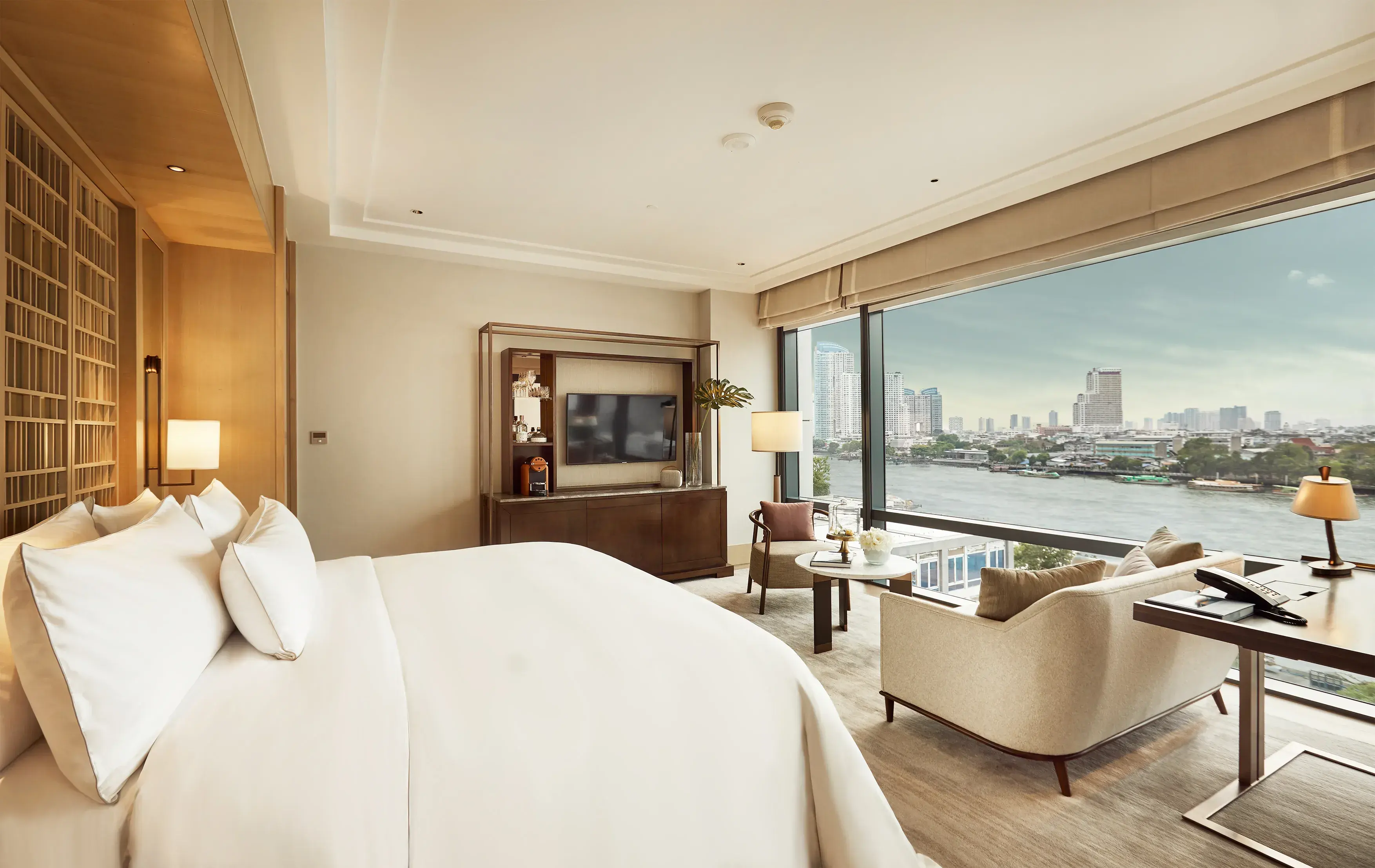
Every flagship hotel and serviced-residence has one category that represents the reason the address exists, and several others that are simply cheaper or bigger versions of a lesser idea. At Capella Bangkok, the property is built around the Chao Phraya River — the river-facing suites and villas are the actual product, and the city-facing entry rooms are a compromise, not a starting point. At Ascott Thonglor Bangkok and Ascott Embassy Sathorn Bangkok, the product is space and neighborhood fit, not a view at all: both are serviced-apartment properties where every category — from Studio to Three-Bedroom — is sold on square meters, kitchen access, and laundry, not outlook. The first question when reading a room-category chart is not "what does this cost" but "what is this specific property actually known for, and does this category deliver it." A category name that sounds like an upgrade — Deluxe, Premier, Suite — means nothing on its own until it is checked against that property's real differentiator.

Suite vs. residence: two different category logics
A hotel suite and a serviced-apartment residence solve different problems, and comparing their category charts side by side without understanding that is where most booking mistakes start. Capella Bangkok's River Suite category is evaluated on view, service reach, and arrival logistics — the premium buys a river-facing outlook and the calmer, more private tempo the hotel is built around; a short single-night stopover rarely justifies it. Ascott Embassy Sathorn Bangkok, in the Sathorn business district, and Ascott Thonglor Bangkok, in the Thonglor dining and lifestyle corridor, both sell category upgrades in a completely different currency: a One-Bedroom over a Studio buys a separated living area and a full kitchen, not a better view. Ascott Thonglor's own category logic is explicit about this — the Two-Bedroom Premier and Two-Bedroom Executive Connecting Rooms exist for families who need sleeping separation, and the Three-Bedroom categories exist for larger groups, with BTS access and Sukhumvit dining reach as the location argument rather than any outlook from the room itself. Neither logic is better. They answer different questions: Capella's suite category asks "how much of the river do you want," and the Ascott properties' category charts ask "how much space, and where in Bangkok do you want to live for the week."
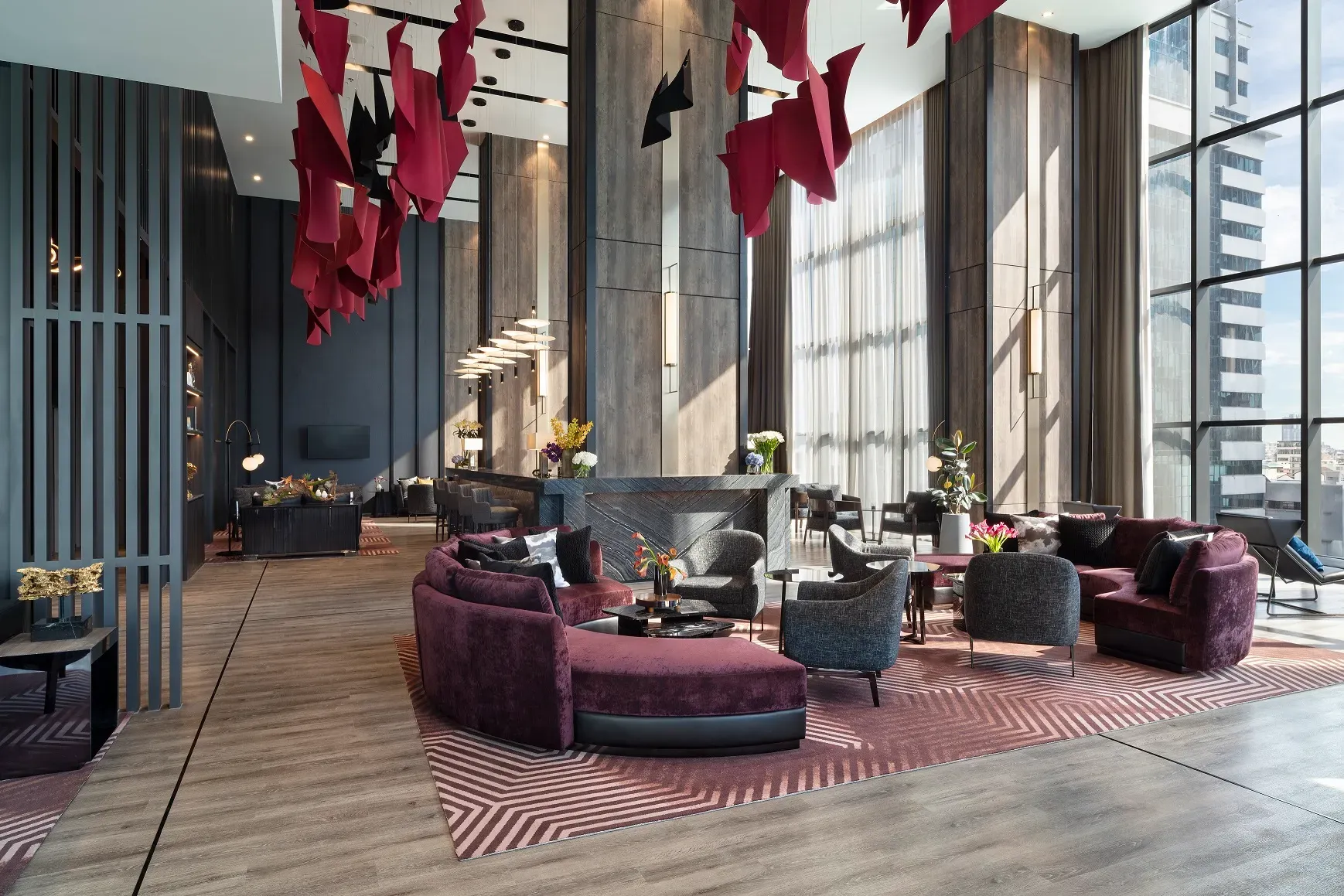
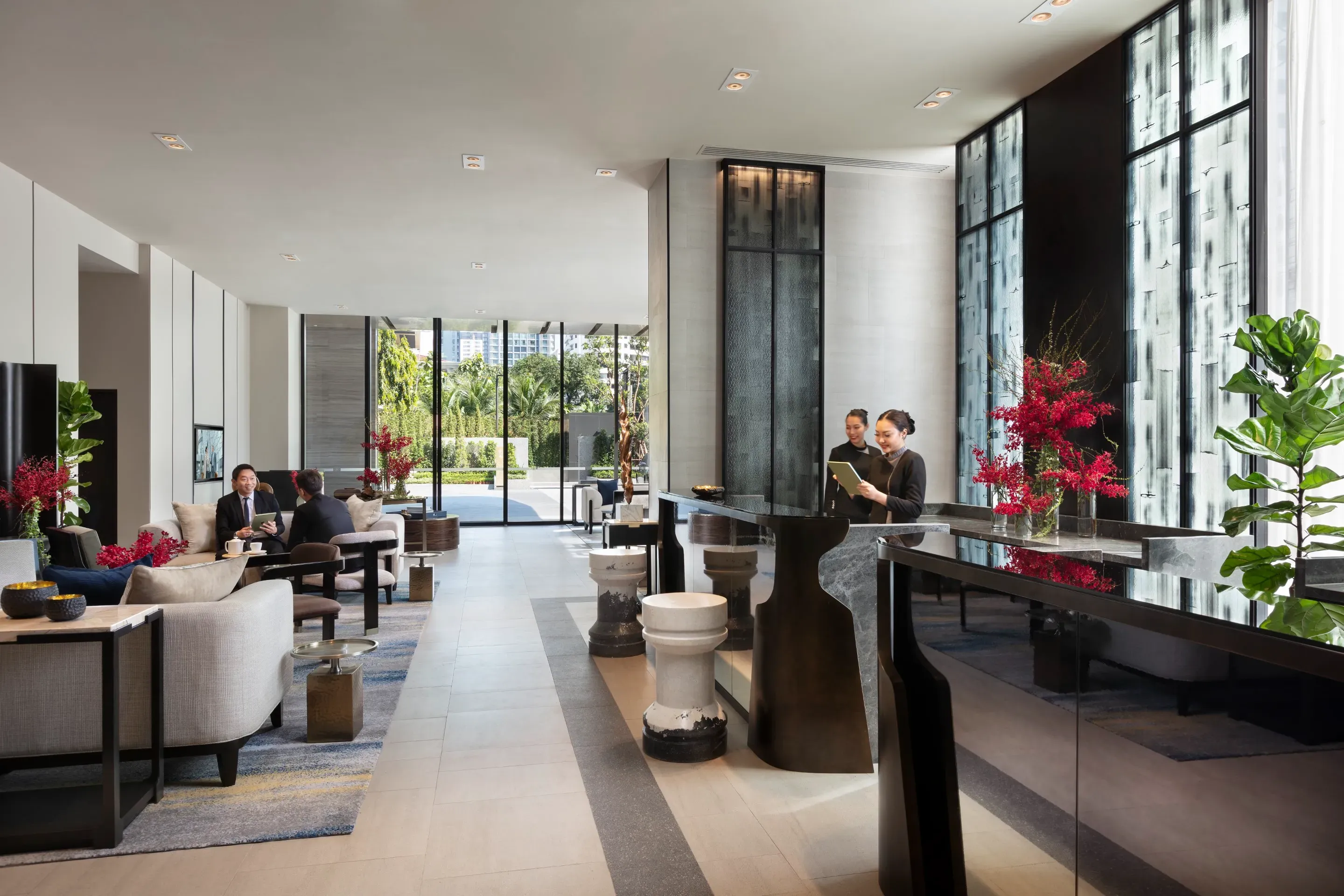
Ascott Embassy Sathorn Bangkok (Sathorn business district) and Ascott Thonglor Bangkok (Thonglor/Sukhumvit) — two distinct Ascott-brand serviced residences, two different neighborhood logics.
When the choice is between two categories at the same address
The clearest version of this decision shows up when two serviced-residence properties in the same city sell overlapping categories with different neighborhood logic behind them. Ascott Embassy Sathorn Bangkok is the space-and-operational-ease pick — it sits in the Sathorn business district near Silom, Lumphini, embassies, One Bangkok, and business dining, and its category chart rewards travelers who want more living space than a standard hotel room without leaving the CBD. Ascott Thonglor Bangkok is the lifestyle-and-restaurant pick — Thonglor is one of Bangkok's strongest dining and café neighborhoods, and its categories (Studio through Three-Bedroom, with kitchens and in-suite washing machines across the One-, Two-, and Three-Bedroom tiers) are built for families, longer stays, and travelers who want a residential rhythm with BTS access rather than resort-style ceremony. Choosing between them is not a rate comparison. It is a routing question first: does the trip orbit Sathorn/Silom, or Sukhumvit/Thonglor? The right category at the wrong address is still the wrong booking.
The category questions worth asking before you book
A rate sheet almost never answers the questions that actually determine whether a category is worth its premium. Ask for the exact square meters, not just the category name — a "Suite" can range widely in floor area even within one property's own hierarchy. Ask whether the category's defining feature is genuinely included at the entry tier or reserved for a higher one: at a river hotel, does the entry category actually face the river, or only the categories above it? At a serviced residence, does the entry Studio include a full kitchen and washer, or only the One-Bedroom and above? Ask about floor range and connecting-room availability if traveling with a family or a larger group. And ask what happens if the trip is short — a single night rarely earns back a suite-level or residence-level premium the way a four-night-plus stay does, which is why VIAIVE routes short stopovers toward the entry category and saves the upgrade budget for stays long enough to use it.
Frequently asked
How do I choose the right hotel room category?
Start with what the property is actually known for — a river, a garden, a skyline, or simply space and neighborhood access — and check whether the category you are considering delivers that specific thing, rather than trusting the category name. At a view-led property like Capella Bangkok, that means confirming the room actually faces the water. At a space-led property like the Ascott serviced residences in Bangkok, that means confirming the kitchen, laundry, and bedroom count match the trip, not the view.
What is the difference between a hotel suite and a serviced-apartment residence category?
A hotel suite premium, like Capella Bangkok's River Suite, is usually paying for a view and a slower, more private tempo. A serviced-residence category upgrade, like moving from a Studio to a One-Bedroom at Ascott Thonglor Bangkok or Ascott Embassy Sathorn Bangkok, is paying for square meters, a separated living area, and often a full kitchen and laundry — not an outlook. They are different products sold through similar-looking category charts.
Ascott Embassy Sathorn or Ascott Thonglor — which should I book?
Choose Ascott Embassy Sathorn Bangkok when the trip needs space and operational ease near the Sathorn business district — Silom, Lumphini, embassies, One Bangkok. Choose Ascott Thonglor Bangkok when the trip is built around Bangkok lifestyle and restaurant access in the Thonglor/Sukhumvit corridor, especially for families or longer stays that benefit from BTS access and a residential pace.
Is it worth paying for a higher room category on a short stay?
Usually not. A single-night stopover rarely earns back a suite-level river premium or a residence-level space premium the way a stay of four nights or longer does. VIAIVE's standing guidance is to route short stays to the entry category and reserve the category upgrade budget for stays long enough to actually use the extra space, view, or service reach.
Does a higher category always mean a better view?
No — only at properties where the view is the thing being sold. At a river- or garden-anchored hotel, yes, the higher categories usually buy a better outlook. At a serviced-apartment property like the Ascott residences in Bangkok, a higher category buys more bedrooms and living space, not a better view; confirm which logic applies to the specific property before assuming an upgrade buys scenery.