Article visual
The guide in one frame.
A spa hotel sells you a room and lets you book treatments as you go.
A spa hotel sells you a room and lets you book treatments as you go. Chiva-Som Hua Hin sells the treatment plan first and builds the stay around it. Here's what that structural difference actually changes.
Paid partner link - VIAIVE may earn compensation at no additional cost to you.
> VIAIVE note: Most hotels with a spa describe themselves in the language of amenities — a menu of treatments a guest can add to an otherwise ordinary stay.
Chiva-Som Hua Hin's own site describes something structurally different: the program comes first, chosen before or on arrival, and the room, the meals, and the daily schedule are built around it. That's a different product, not just a nicer version of the same one, and it's worth being specific about what actually changes.
> VIAIVE note: Most hotels with a spa describe themselves in the language of amenities — a menu of treatments a guest can add to an otherwise ordinary stay.
A traveler who wants flexibility, a shorter stay, and the option to skip the spa entirely on a given day is better served by a conventional resort with strong wellness facilities.
Paid partner link - VIAIVE may earn compensation at no additional cost to you.
| Decision point | Primary path | Alternative path |
|---|---|---|
| Traveler decision | > VIAIVE note: Most hotels with a spa describe themselves in the language of amenities — a menu of treatments a guest can add to an otherwise ordinary stay. | Use correspondence when the itinerary has constraints the public page cannot resolve. |
| Best use case | Introduction | Two different starting points |
| Commercial path | Use disclosed partner modules when public rate windows matter. | Use VIAIVE correspondence when the placement, room category, or routing needs human judgment. |
A spa hotel sells you a room and lets you book treatments as you go.
A VIAIVE planning visual used to support comparison, routing, and stay decisions.
A VIAIVE planning visual used to support comparison, routing, and stay decisions.
A VIAIVE planning visual used to support comparison, routing, and stay decisions.
19 July 2026
VIAIVE checks route burden, transfer timing, seasonal compression, and access before naming a traveler decision.
Disclosed Stay22 partner paths appear once near the close of the guide, with sponsored nofollow labeling and affiliate disclosure.
A spa hotel sells you a room and lets you book treatments as you go. Chiva-Som Hua Hin sells the treatment plan first and builds the stay around it. Here's what that structural difference actually changes.
> VIAIVE note: Most hotels with a spa describe themselves in the language of amenities — a menu of treatments a guest can add to an otherwise ordinary stay. Chiva-Som Hua Hin's own site describes something structurally different: the program comes first, chosen before or on arrival, and the room, the meals, and the daily schedule are built around it. That's a different product, not just a nicer version of the same one, and it's worth being specific about what actually changes.
> VIAIVE note: Most hotels with a spa describe themselves in the language of amenities — a menu of treatments a guest can add to an otherwise ordinary stay. Chiva-Som Hua Hin's own site describes something structurally different: the program comes first, chosen before or on arrival, and the room, the meals, and the daily schedule are built around it. That's a different product, not just a nicer version of the same one, and it's worth being specific about what actually changes.
A conventional spa hotel starts with a room type. A guest books a category, arrives, and then separately decides whether to add a massage, a facial, or a fitness class — each transaction distinct from the room rate, each optional, each bookable or skippable on a whim. Chiva-Som Hua Hin's own site describes the opposite sequence. The resort organizes its entire offering around sixteen named retreat programs — among them Chiva-Som Essentials, Optimal Performance, Gut Health, Ageing Well, Sustainable Weight Management, and Tension Release — and a guest selects one of these before the stay is priced. The room is still assigned, but it functions as where the program happens, not the product being sold.
That distinction shows up immediately in what a Chiva-Som rate actually contains. According to the resort, a retreat package includes accommodation, the chosen program, three wellness meals a day, a complimentary physical analysis and facial skin consultation at the outset, one treatment per night of stay, unlimited group classes and daily activities, full access to the fitness and spa facilities, a wellness minibar, and laundry service for up to four pieces daily. None of that is itemized as an add-on menu a guest chooses from once on property — it's the baseline the program is priced around, transportation being the one line the resort states is billed separately.
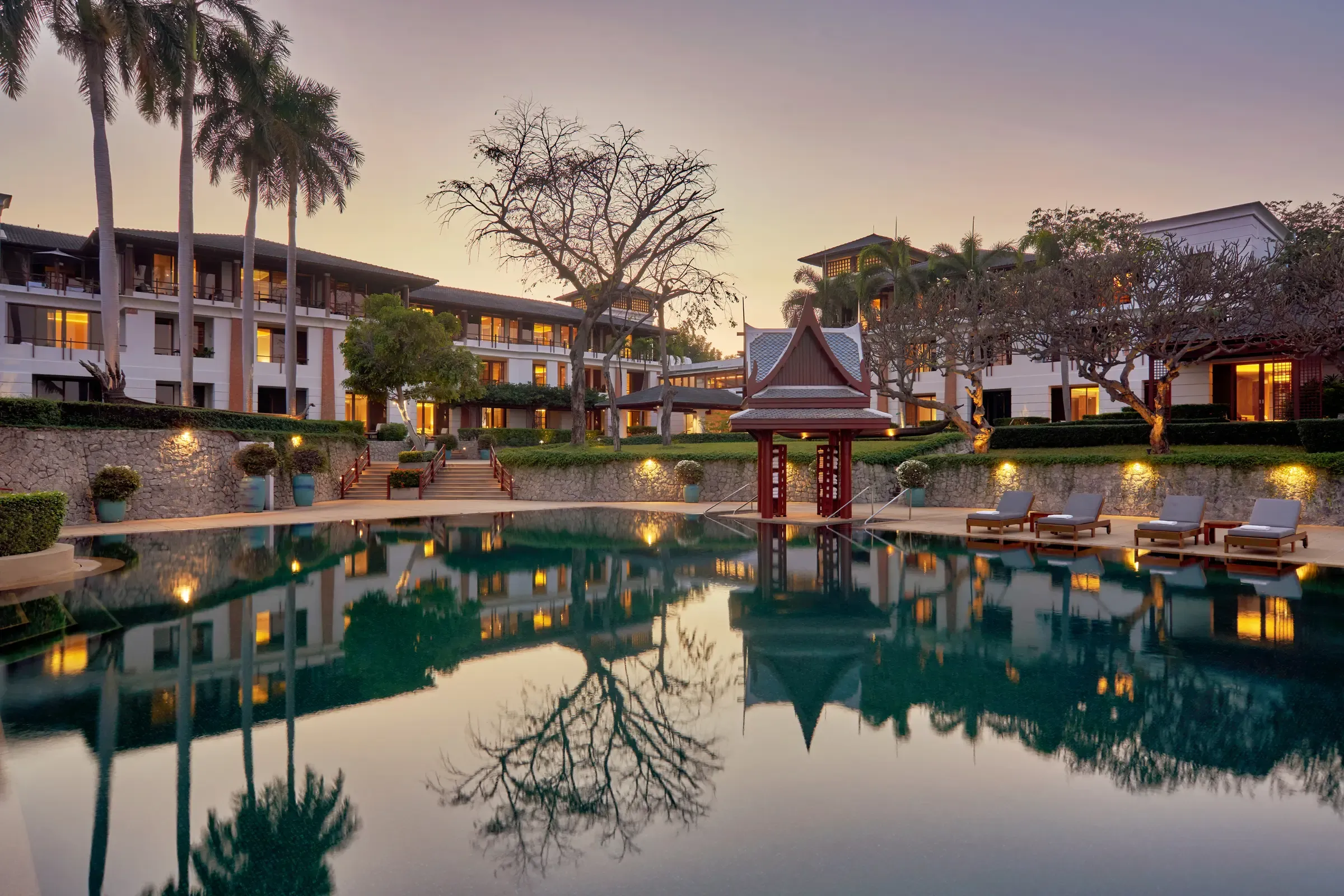
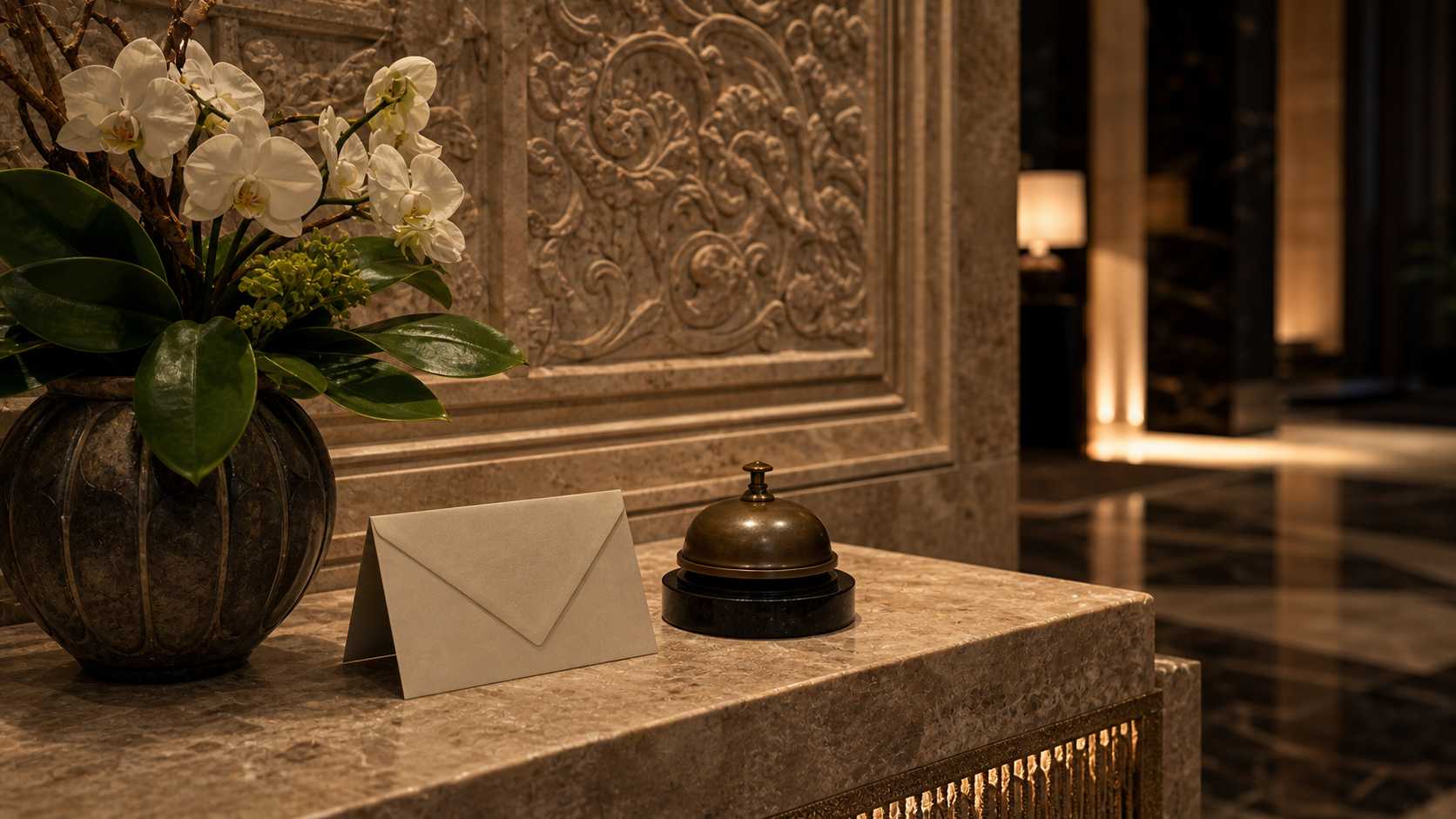
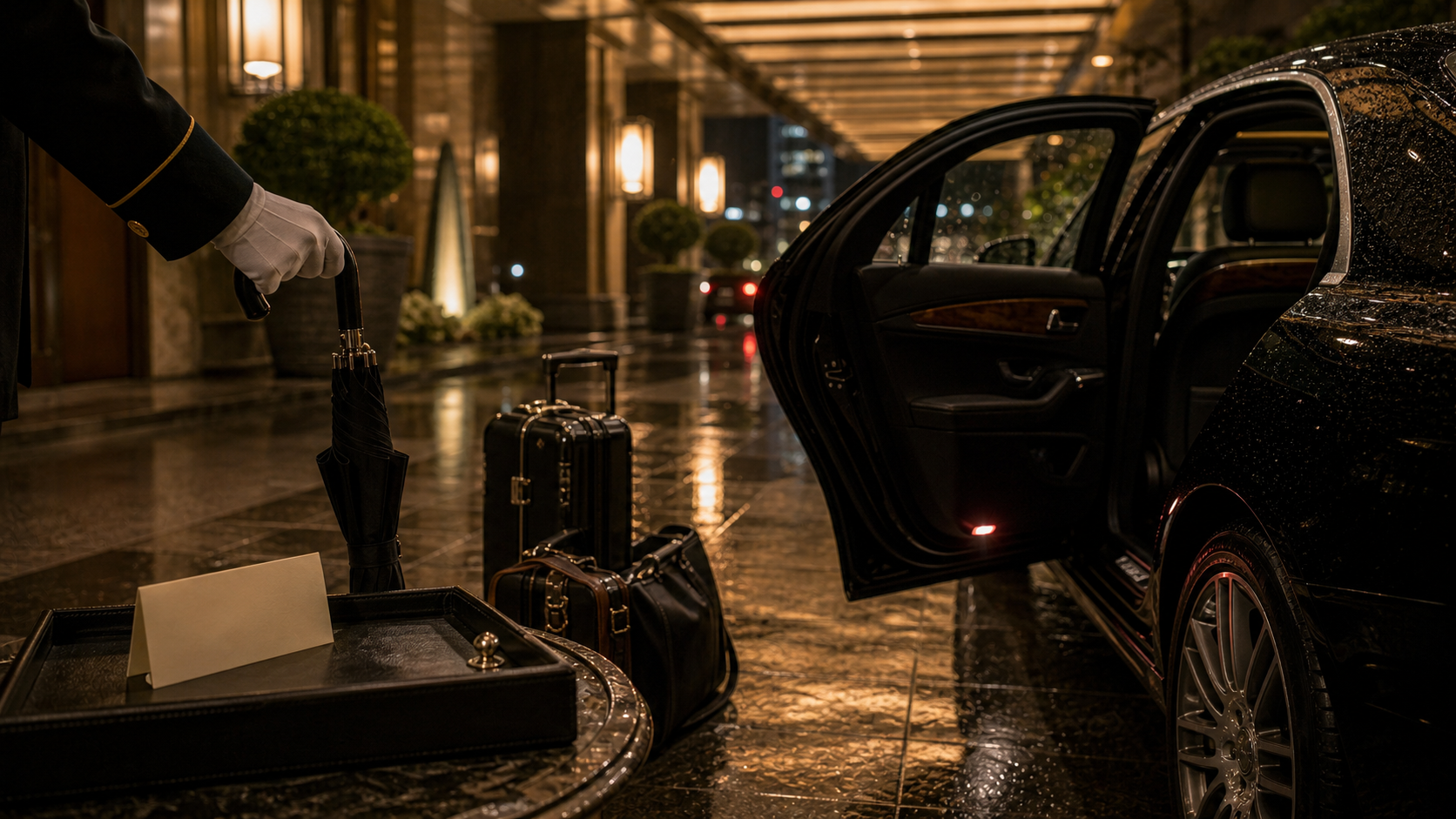
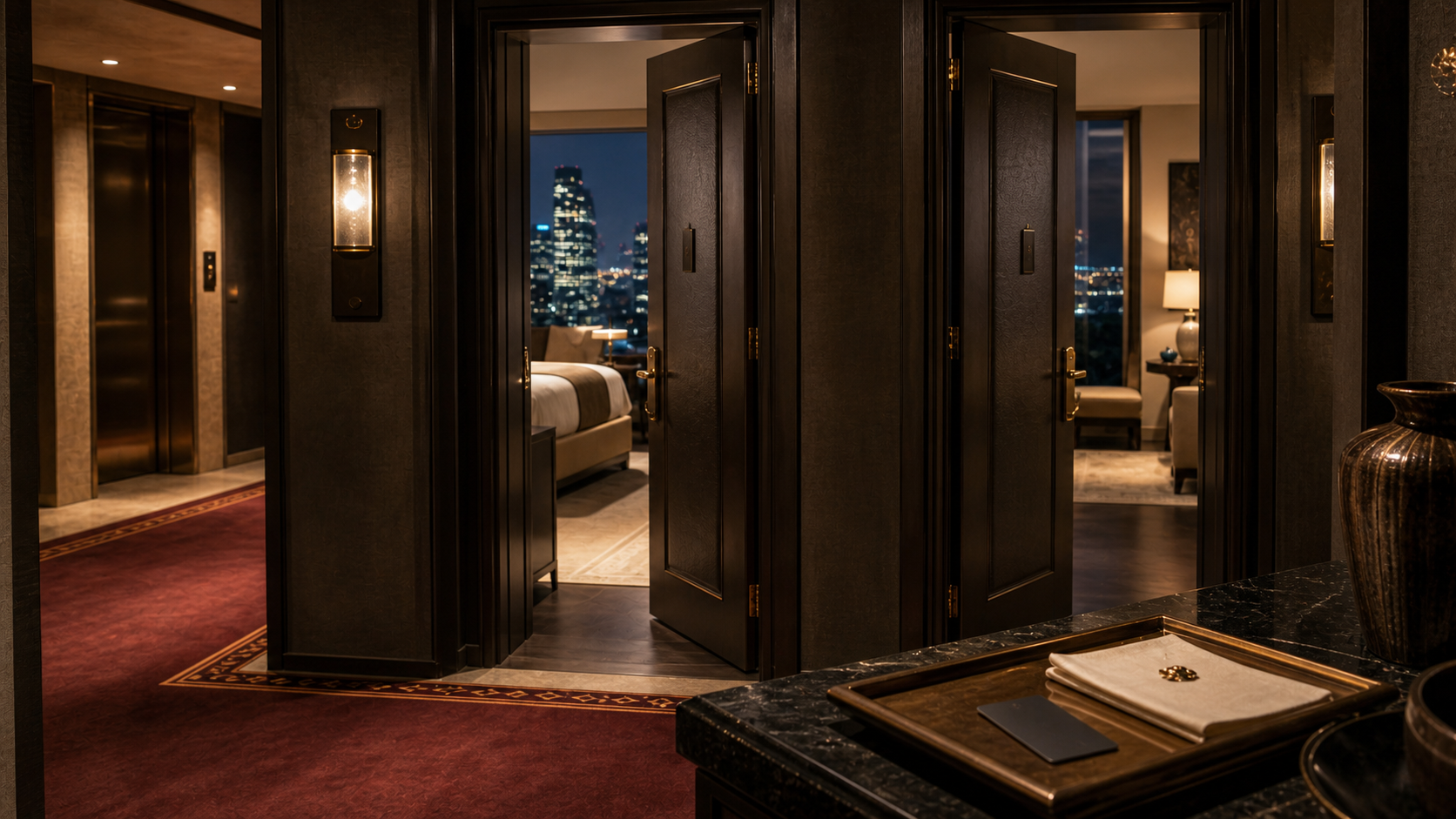
The practical expression of this model is the resort's stated three-night minimum stay, with the entry-level Chiva-Som Essentials program positioned as the shorter option, available from two nights. A spa hotel has no equivalent floor — a one-night stay with a single massage is a perfectly normal booking. Chiva-Som's minimum only makes sense once you look at what a program is designed to do across consecutive days: the resort's site describes an opening consultation with a Health and Wellness Advisor that sets the direction for the stay, followed by a sequence of nightly treatments, meals selected from one of three structured plans (a general Wellness Cuisine plan built around longevity and energy, a gut-healing diet using probiotics and fibre, or a cleansing diet for detoxification), and daily group activity. A single night doesn't leave room for that sequence to do anything; the minimum stay is less a booking policy than a structural requirement of the product itself.
This is the clearest place the two models diverge. At a spa hotel, the guest chooses the treatment. At Chiva-Som, the stated first step of every retreat is a consultation with a Health and Wellness Advisor, paired with a complimentary physical analysis and facial skin consultation — the resort's own description of this step positions it as the mechanism that customizes an already-named program (Gut Health, Ageing Well, Cell Vitality, and the rest) to the individual guest, rather than leaving treatment selection to whatever looks appealing on a spa menu that day. It's worth being precise about what this consultation is and isn't, per the resort's own materials: it's a wellness intake conducted by resort staff as part of a hospitality program, not a clinical medical diagnosis, and the retreat descriptions — including Cell Vitality, which the resort frames as supporting recovery around cancer remission — are the property's own program descriptions rather than independently verified medical outcomes.
It would overstate the case to say a spa hotel and a health retreat share nothing. Chiva-Som's facilities — the gymnasium, the Pilates and dance studios, the heated Watsu™ pool, the infrared sauna and steam room, the indoor and outdoor lap pools — are, on their own, not unlike what a well-equipped resort spa offers anywhere. A guest at a five-star hotel with a strong wellness program could plausibly use most of the same equipment in the same week. What differs isn't the hardware; it's the sequencing and the inclusion structure wrapped around it. A spa hotel guest decides day-by-day what to book against a menu of prices. A Chiva-Som guest has already committed, before or at arrival, to a program that determines what happens each day of a minimum three-night stay, with the treatments, meals, and consultation already built into the rate rather than accumulating as incidental charges.
The practical takeaway isn't that one model is better — it's that they answer different questions. A traveler who wants flexibility, a shorter stay, and the option to skip the spa entirely on a given day is better served by a conventional resort with strong wellness facilities. A traveler who wants a stated health goal — recovery, weight management, stress, gut health — translated into a structured, advisor-directed sequence across several consecutive nights, with the daily treatment and consultation already decided rather than left to a menu, is the guest Chiva-Som's own program structure is built for. The three-night minimum, the pre-selected program, and the advisor consultation aren't incidental policy details; together, they are the actual product being described on the resort's own site, distinct from a spa hotel in structure rather than just in degree.
Chiva-Som Hua Hin's wellness structure: named retreat programs across six modalities, over 200 spa treatments, and three included wellness-cuisine meal plans.
Chiva-Som Hua Hin accommodation guide: 12 room, suite, and pavilion categories from 34 to 147 sq m.
Chiva-Som Hua Hin is a 54-room destination wellness resort on the Gulf of Thailand built around sixteen structured, advisor-led retreat programs rather than an a la carte spa menu. Here's who it fits.
Field Intelligence Letter
A short monthly note on hotel openings, route shifts, seasonal timing, and the stay decisions worth making early.
One letter per month. Unsubscribe at any time. No sharing, no resale. Privacy Policy.
When a piece here makes you want to move, write the first few lines.
Plan With VIAIVE ↗