Skip to content
SearchSavedPlan a trip

137 Pillars House earns its place through scale and history rather than amenity count — a 30-suite hotel built around a single restored 1880s teak residence in Chiang Mai's Wat Gate district, with one private-pool suite and everything else built around the same colonial-era house. Best for: Travelers who want a small, suite-only property with a real historical building at its center and a quiet, low-rise scale. 137 Pillars House Chiang Mai is a 30-suite hotel built around a restored 1880s teak trading-post residence in the Wat Gate district, with one private-pool suite, Nitra Spa, and a 25-metre pool.
01 · Chiang Mai, Thailand · Hotel

137 Pillars House Chiang Mai

137 Pillars House Chiang Mai is a 30-suite hotel built around a restored 1880s teak trading-post residence in the Wat Gate district, with one private-pool suite, Nitra Spa, and a 25-metre pool.

The short answer

137 Pillars House earns its place through scale and history rather than amenity count — a 30-suite hotel built around a single restored 1880s teak residence in Chiang Mai's Wat Gate district, with one private-pool suite and everything else built around the same colonial-era house.

Two ways to check the room: the property’s own listing, or a live rate search across more room categories and dates.

Paid partner link - VIAIVE may earn a commission at no additional cost to you.

Email
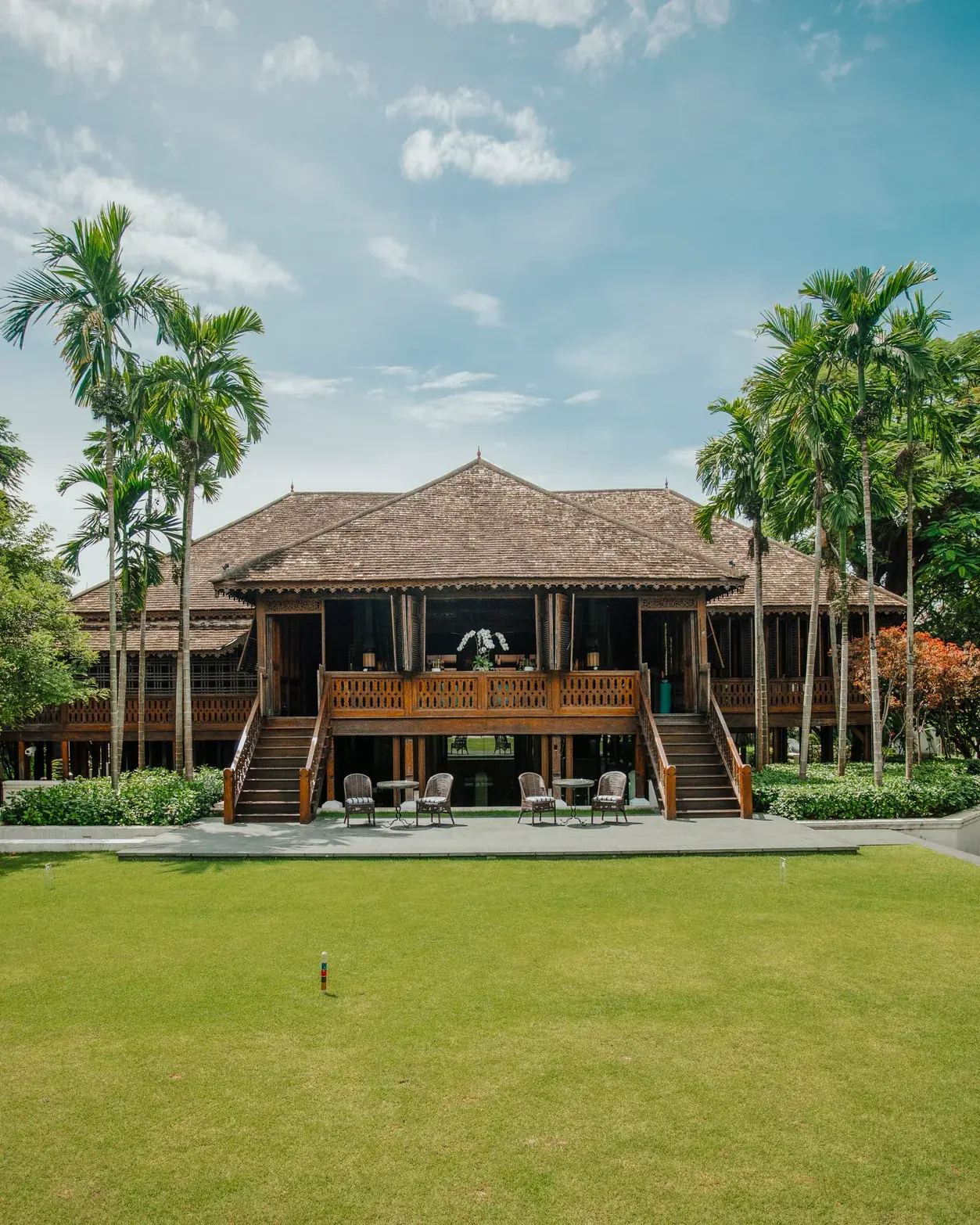
The namesake heritage teak house at 137 Pillars House Chiang Mai
Press image courtesy of 137 Pillars House Chiang Mai
Best fit
Travelers who want a small, suite-only property with a real historical building at its center and a quiet, low-rise scale.
Trade-off
Travelers who want a large resort campus, multiple pools, or a beachfront or mountain setting — this is a compact urban riverside estate.
Location
Chiang Mai, Thailand
Last verified
July 19, 2026

A fast shortlist decision.

The trade-off stays visible before the longer evidence read.

Best for

Travelers who want a small, suite-only property with a real historical building at its center and a quiet, low-rise scale.

Avoid if

Travelers who want a large resort campus, multiple pools, or a beachfront or mountain setting — this is a compact urban riverside estate.

The property

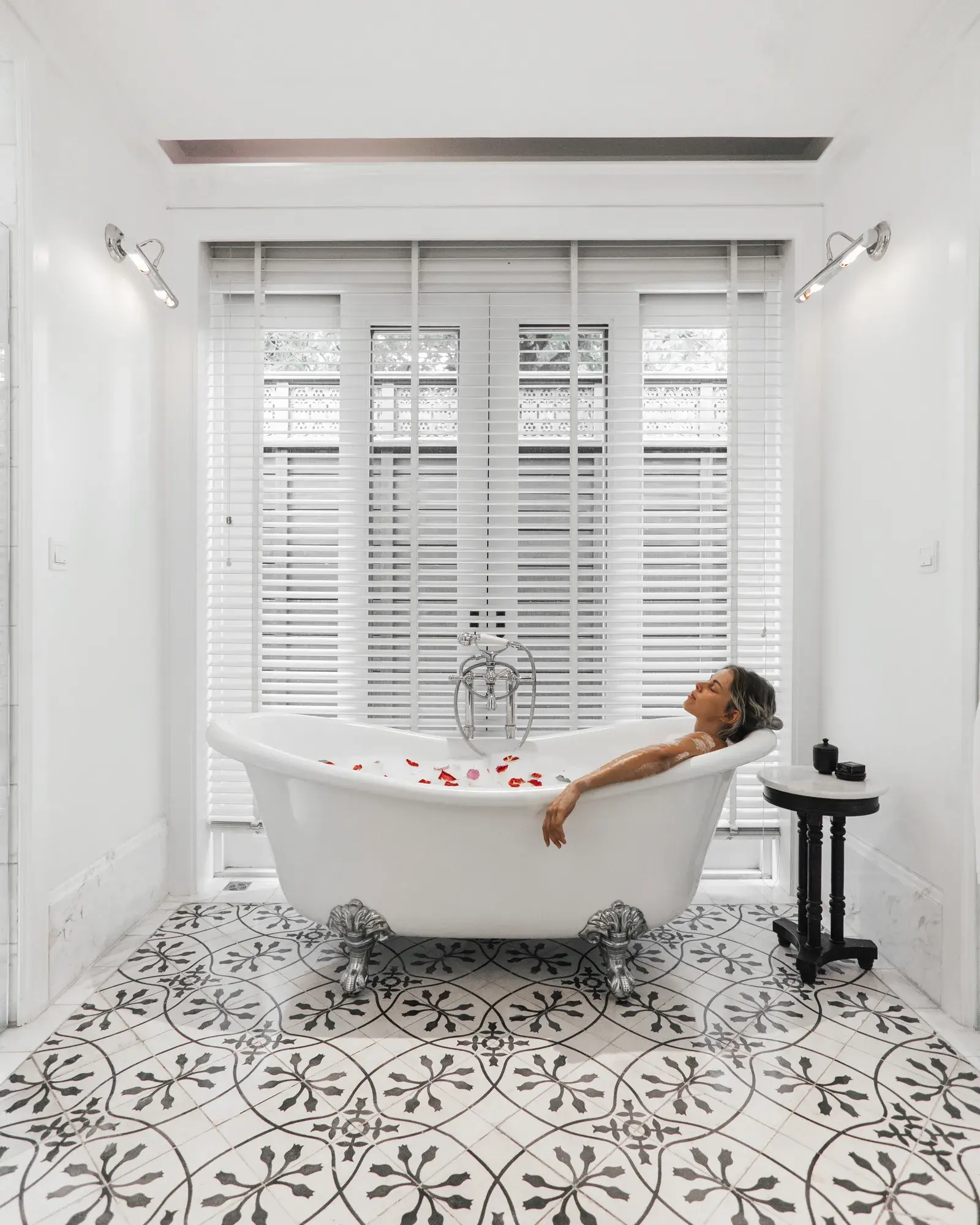
Freestanding bathtub in a suite at 137 Pillars House Chiang Mai
Press image courtesy of 137 Pillars House Chiang Mai

The building at the center of 137 Pillars House was constructed in the late 1880s as a teak-trading residence for the Borneo Company, a British firm granted rights to harvest teak across Northern Thailand under the 1883 Treaty of Chiang Mai. Louis Leonowens, the company's Chiang Mai superintendent, was its first occupant after it was moved into the Borneo Company's compound from the west bank of the Ping River. Company managers lived in it until 1927, and it stayed in company use through the Second World War, until Japanese forces commandeered the firm's assets in December 1941. Afterward, the company sold the house to William Bain, a Scottish managing director; his son Jack Bain later gave the house its current name after counting its 137 structural pillars. In 2002, Panida Wongphanlert bought the property, known locally as Baan Dam, or "Black House," and restored it into 137 Pillars House, which opened as a 30-suite hotel on December 23, 2011.

Dining and bars

The bar at 137 Pillars House Chiang Mai
Press image courtesy of 137 Pillars House Chiang Mai

- Palette: the hotel's main dining room, Western and Asian cuisine with wine pairings. - The Dining Room: breakfast in the historic house or gardens, built around Thai and Lanna dishes with organic ingredients. - Jack Bain's Bar: cocktails and bar bites inside the old house, named for its last private owner. - Afternoon tea and private dining: a seasonal tea service plus a customizable private dining option from breakfast through late supper.

Wellness and pool

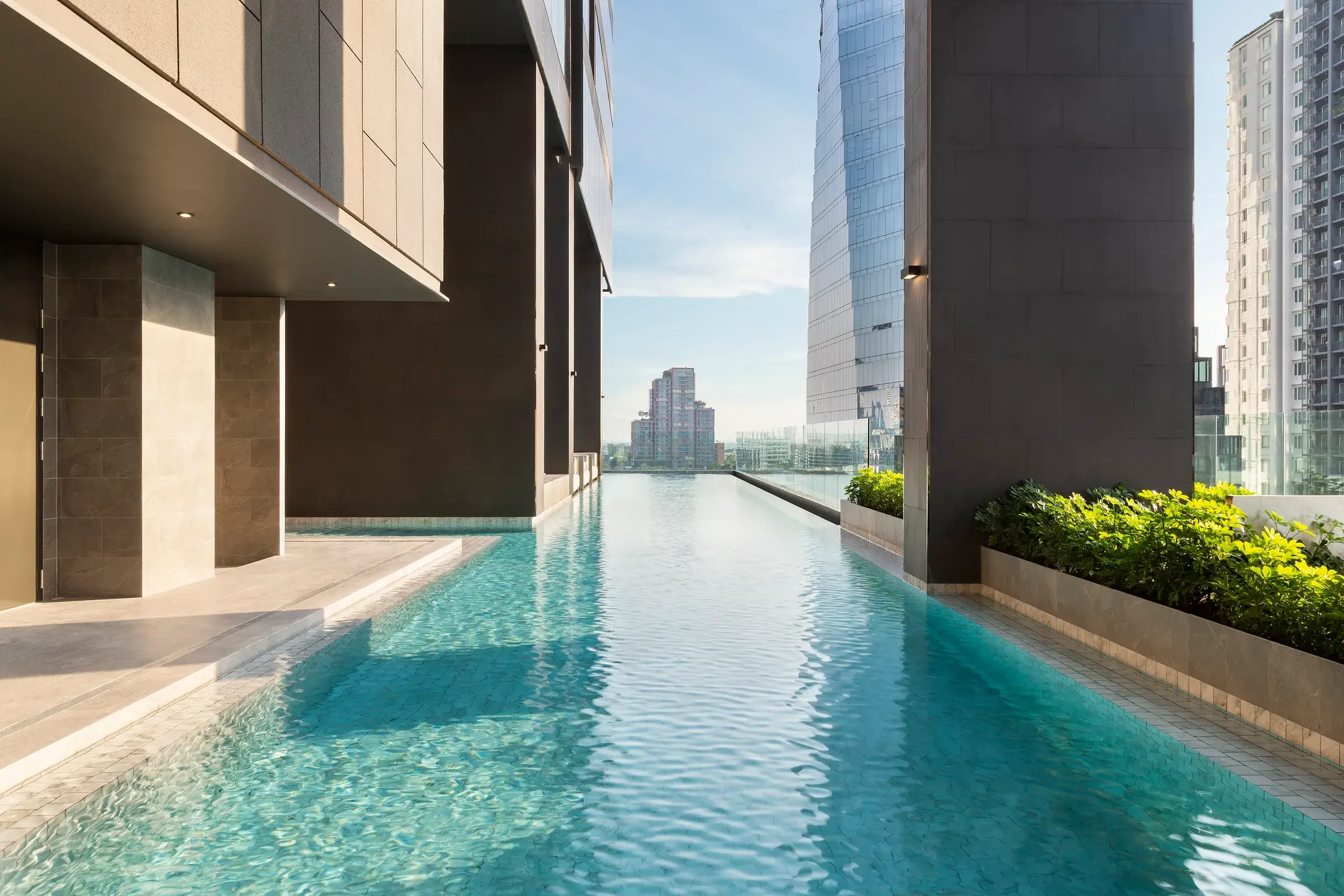
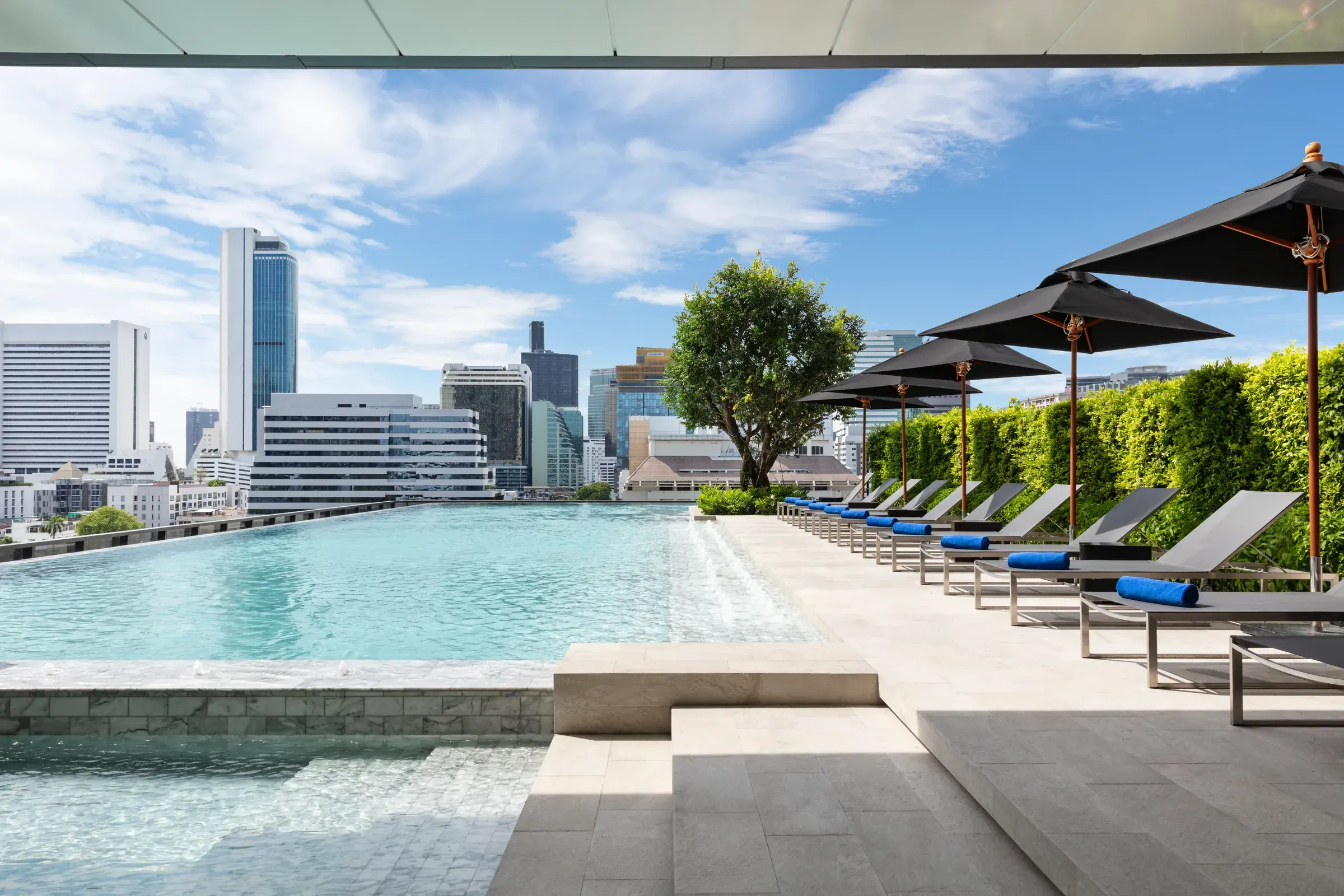
Swimming pool at 137 Pillars House Chiang Mai
Press image courtesy of 137 Pillars House Chiang Mai

Nitra Spa offers Thai and Western treatments, including massage and hot-stone therapy, by appointment. The shared pool measures 25 by 5.5 metres with a poolside bar for drinks and light food, and a 24-hour gym on the lower level carries free weights and cardio equipment. Louis Leonowens guests have a second, private pool in addition to this shared one.

Location

Afternoon tea service on the veranda at 137 Pillars House Chiang Mai
Press image courtesy of 137 Pillars House Chiang Mai

137 Pillars House sits at 2 Soi 1, Nawatgate Road, in Chiang Mai's Wat Gate district along the Ping River, an area the hotel describes as blending old-city character with a gallery-and-café atmosphere. Sop Moei Arts, a textile and craft gallery, is 400 metres away; Wat Gate Karam, a riverside temple with Lanna, Burmese, and Chinese architectural influences, is a few minutes' walk, as is a well-known street food stall and KUSA, a Japanese restaurant in a heritage-style setting.

Dining

Overview: Jack Bain's Bar is named for the early-20th-century owner who counted the property's 137 structural pillars. The Teak Wallah Collection frames part of the F&B program around teak-trading history: teak merchants who passed through during the Borneo Company's Chiang Mai teak operations following the 1883 Treaty of Chiang Mai. Specific dishes and pricing for the Collection are not published. In-room dining runs 6:30am-10:00pm daily.

Booking this: Read VIAIVE's full 137 Pillars House Chiang Mai review before you choose a specific venue. It covers the property overall and links to a live booking page. To verify availability for your dates or ask an advisor which venue is the right choice for your stay, use VIAIVE's advisory correspondence rather than booking blind.

More about this stay

Introduction: Most hotels invent a backstory to justify a design language. 137 Pillars House has the opposite problem: an actual 1880s trading-company residence that a hotel had to be built carefully enough not to ruin.

A house built for the teak trade: In 1883, King Chulalongkorn signed the Treaty of Chiang Mai, opening Northern Thailand's teak forests to foreign trading firms, including the British Borneo Company. Louis Leonowens, son of Anna Leonowens and educated alongside Prince Chulalongkorn in Bangkok as a boy, joined the company and, in 1886, established its Chiang Mai office along the Ping River. He was appointed the company's Chiang Mai superintendent the following year and became the first occupant of a new teak residence built for the role: a structure moved from the west bank of the river into the Borneo Company's compound, one of four teak houses the firm kept in the city at the time.

Leonowens and the managers who followed him lived in the house until 1927. It stayed in company use through the Second World War, until Japanese forces commandeered the Borneo Company's assets in December 1941. After the war, the company sold the residence to William Bain, a Scottish national who had served as one of its managing directors. Bain's son, Jack, grew up on the property and later raised his own family there. It was Jack Bain who gave the house its lasting name, after counting the pillars supporting its structure and arriving at 137. An old map of the district had already recorded a version of the same fact, labeling the site "Baan 137 Sao."

From company house to Baan Dam: By the time Jack Bain sold the property, locals in Wat Gate knew it by a different name: Baan Dam, or "Black House." That was the house Panida Wongphanlert encountered on a 2002 holiday in Chiang Mai, a residence whose company history and physical fabric she chose to restore rather than replace. The restoration became 137 Pillars House, which opened as a hotel on December 23, 2011, with 30 suites arranged around the original teak structure and its gardens. The hotel group formalized in October 2015 and later added a second property in Bangkok, but the Chiang Mai house remains the original.

None of the five suite categories are named arbitrarily. Rajah Brooke, East Borneo, D.F. MacFie, William Bain, and Louis Leonowens all trace back to the same Borneo Company chapter the building itself lived through. The suite names amount to a floor plan built on top of a company roster from more than a century ago.

Thirty suites, not three hundred rooms: The number that matters more than any of the historical dates is 30. Where a flagship city hotel might run several hundred rooms across a tower, 137 Pillars House fits its entire guest program, five suite categories, three dining venues, one spa, one shared pool, and a single private-pool suite, around one low-rise compound. That scale changes what the property can promise: every suite keeps its indoor and outdoor garden shower and a Victorian- or sunken-style bathtub regardless of category, because there was never pressure to standardize down for volume. The largest category, the 135-square-metre Louis Leonowens Pool Suite, is the only one with a private pool; everyone else shares the estate's 25 x 5.5-metre pool, a footprint sized for a boutique property rather than a resort campus.

The same scale shapes the hotel's approach to guest experience. Its Teak Wallah Collection package builds a multi-night stay around a rotating menu of activities that echo the same era the house itself belonged to: a sidecar tour of the old town on a restored Royal Enfield, a market-to-table cooking class, a traditional samlor rickshaw route through lesser-known parts of the city, a hike to Doi Suthep, and a visit to an ethical elephant sanctuary. Guests choose one activity per night of a minimum two-night stay, alongside airport transfers, daily breakfast, and a set dinner. That structure keeps the whole experience anchored to the property, without a separate booking process on top.

What the scale changes for a stay: A 30-suite property built around one preserved building cannot offer everything a 300-room resort can. There is one pool, one spa, no sprawling grounds to wander for an afternoon. What it offers is legibility: a guest can walk the entire compound in minutes and understand exactly which building, room, and garden they are in, because there is only one of each. For travelers who want to explore Chiang Mai's Wat Gate district, its riverside temples, textile galleries, and café-lined streets, on foot, and who want to stay inside a real 1880s company house rather than a reproduction of one, that legibility is the actual product.

Sop Moei Arts, a craft and textile gallery, sits 400 metres from the hotel gate. Wat Gate Karam, a riverside temple built with Lanna, Burmese, and Chinese architectural influences, is a few minutes further on foot, alongside a well-known local stall for steamed rice dumplings and a Japanese restaurant set in a heritage-style building. None of it requires a car. That is, in effect, close to the same relationship to the neighborhood that Louis Leonowens himself would have had over a century earlier, walking out of company housing into the same streets. It's a coincidence the current owners did not have to manufacture, only preserve.

Rooms & categories

Overview: Five suite categories span 70-135 sqm across restored teak buildings around the main house. Every category includes a private outdoor living area, walk-in dressing room, indoor+outdoor garden shower. Three smaller categories use a Victorian-style bathtub; the two largest use a sunken bathtub facing garden foliage. The Louis Leonowens Pool Suite is the largest, ground-floor, with a private plunge pool through French doors, separate living room with writing desk, dual washbasins, espresso machine, Bluetooth sound system. All five categories named for figures tied to the property's history as a Borneo Company teak-trading residence in the late 1800s. 30 suites total across the five categories.

Booking this: Read VIAIVE's full 137 Pillars House Chiang Mai review before choosing a specific category: it covers the property overall and links to a live booking page. To confirm availability for your dates, or to ask an advisor which category suits your stay, use VIAIVE's advisory correspondence instead of booking blind.

Location & arrival

Chiang Mai, Thailand

Supported highlights

Weighed the single restored 1880s teak trading-post residence at the property's center, the 30-suite scale with one private-pool suite, and the Wat Gate riverside setting against Chiang Mai's larger resort-campus properties.

What this guide is based on

5 property photographs are published with source and rights notes.

Guide updated July 19, 2026.

Continue comparing

Continue the trip